Australia's framework for TGA CBD oil regulation starts with one document — the Poisons Standard — and one body that enforces it: the Therapeutic Goods Administration (TGA). In 2021 the TGA reclassified low-dose cannabidiol from Schedule 4 (prescription-only) to Schedule 3 (pharmacist-only, over the counter) — but as at 2025 no Schedule 3 product has cleared the ARTG to reach pharmacy shelves. Higher-dose CBD oil and products with meaningful THC remain Schedule 4, requiring a doctor's prescription. For anyone buying hemp-derived CBD oil in Australia, understanding how the TGA framework works is the foundation.
This guide covers what the TGA is, how the Poisons Standard schedules cannabidiol, what the 2021 reclassification changed, how the ARTG fits in, how SAS-B and Authorised Prescribers work, and where hemp-derived consumer CBD oil sits in the picture. For the broader legal overview, see our CBD oil laws in Australia guide.
What Is the TGA?
The TGA is a division of the Australian Government Department of Health and Aged Care, established under the Therapeutic Goods Act 1989 and headquartered in Canberra, ACT — the national capital and seat of federal government. (Curious about delivery to the territory? See our CBD oil delivery to Canberra page.)
The TGA's mandate covers the regulation of medicines, medical devices and biologicals — their safety, quality, efficacy and advertising on the Australian market. Before a therapeutic good can be legally supplied in Australia it must be evaluated by the TGA and included on the ARTG. The TGA also runs post-market surveillance through manufacturer inspections, side-effect reporting and product testing.
Enforcement powers are substantial: warning letters, mandatory recalls, product alerts, enforceable undertakings backed by court remedies, and criminal penalties for serious or repeated violations. The TGA regulates how therapeutic goods are advertised — directly relevant to why responsible hemp brands describe products by composition only, never by claimed effect.
The Poisons Standard and How CBD Is Scheduled
The Poisons Standard — formally the Standard for the Uniform Scheduling of Medicines and Poisons (SUSMP) — is the federal instrument that classifies substances into numbered Schedules, setting the legal conditions for their sale and supply. For cannabidiol, the relevant Schedules are:
Schedule 3 (S3) — Pharmacist Only Medicine: A pharmacist may supply to an adult without a prescription, following a consultation. Products must meet specific criteria and be registered on the ARTG.
Schedule 4 (S4) — Prescription Only Medicine: A doctor's prescription is required. Higher-dose CBD and products with significant THC sit here. This is the prescription pathway.
Schedule 8 (S8) — Controlled Drug: High-THC products carrying the strictest dispensing controls.
Cannabidiol entered the Poisons Standard in 2015 as a Schedule 4 substance — prescription-only from the outset. All therapeutic CBD oil products remained S4 until the 2021 amendment opened the S3 door.
The 2021 Reclassification — Schedule 4 to Schedule 3
From 1 February 2021, the TGA's amendment to the Poisons Standard created a Schedule 3 entry for low-dose CBD — the first regulatory pathway for cannabidiol to be supplied over the counter in a pharmacy without a prescription. The TGA's announcement set out the criteria:
- No more than 150mg of CBD per recommended pack or daily dose
- At least 98% cannabidiol by weight of all cannabinoids combined
- Adult use only (18+)
- Pharmacist consultation required at point of supply
For the first time, a TGA-evaluated CBD product could reach pharmacy shelves without a prescription. The practical reality, however, is that no Schedule 3 CBD product has been registered on the ARTG as at 2025. The pathway is open; the evaluation bar is high; no product has cleared it in the four years since the rule changed. Higher-dose products and full-spectrum oils with detectable THC continue to require a prescription under Schedule 4.
What the ARTG Is and Why It Matters
The ARTG is the Australian Register of Therapeutic Goods — the official TGA-maintained list of every therapeutic good legally supplied in Australia as a medicine, medical device or biological. A good must be on the ARTG to be supplied through the medicine system.
Goods are either listed (lower-risk; sponsor self-certifies quality) or registered (TGA-evaluated for safety, quality and efficacy). A Schedule 3 CBD product would need to be registered — not merely listed — given the evaluation requirement.
The practical implication: no registered ARTG product means no Schedule 3 CBD oil on pharmacy shelves. Hemp-derived consumer products are a separate matter — not presented as therapeutic goods, not subject to ARTG registration in the same way.
SAS-B and Authorised Prescribers — The Prescription Pathways
Doctors who want to prescribe cannabis medicines not on the ARTG use one of two TGA pathways. The TGA's access pathways page details both.
Special Access Scheme Category B (SAS-B): A registered medical practitioner applies through the TGA's online portal for approval to prescribe a specific unapproved product for a named individual patient. The TGA notifies the prescriber within around 10 business days. Each patient requires a separate application.
Authorised Prescriber (AP): A practitioner applies — often with Human Research Ethics Committee support — for upfront authority to prescribe a category of unapproved goods to a defined class of patients, without per-patient TGA approval. Once granted, prescriptions flow directly.
Both pathways supply what the TGA terms unapproved therapeutic goods — products not on the ARTG. Some states and territories add a separate approval layer under their own legislation.
FraLa CBD is not a clinic and does not operate under either pathway. For the patient pathway, see our coming guide on accessing medical cannabis in Australia.
What "Unapproved Therapeutic Good" Means
An unapproved therapeutic good is one not listed or registered on the ARTG — it has not been through the TGA's formal evaluation prior to supply. This sounds alarming but describes a large and entirely legal category of prescription medicine access in Australia.
Most prescription cannabis medicines accessed through SAS-B or AP are unapproved goods. The term reflects regulatory process, not quality or legality. The reason most cannabis medicines remain unapproved is practical: full ARTG registration requires an extensive clinical data package — lengthy and resource-intensive. The SAS-B and AP pathways allow prescribing before that evaluation is complete, enabling faster patient access.
For FraLa CBD's hemp-derived CBD oils, the unapproved therapeutic good framing does not apply — our products are not presented as therapeutic goods.
From our CBD oil range
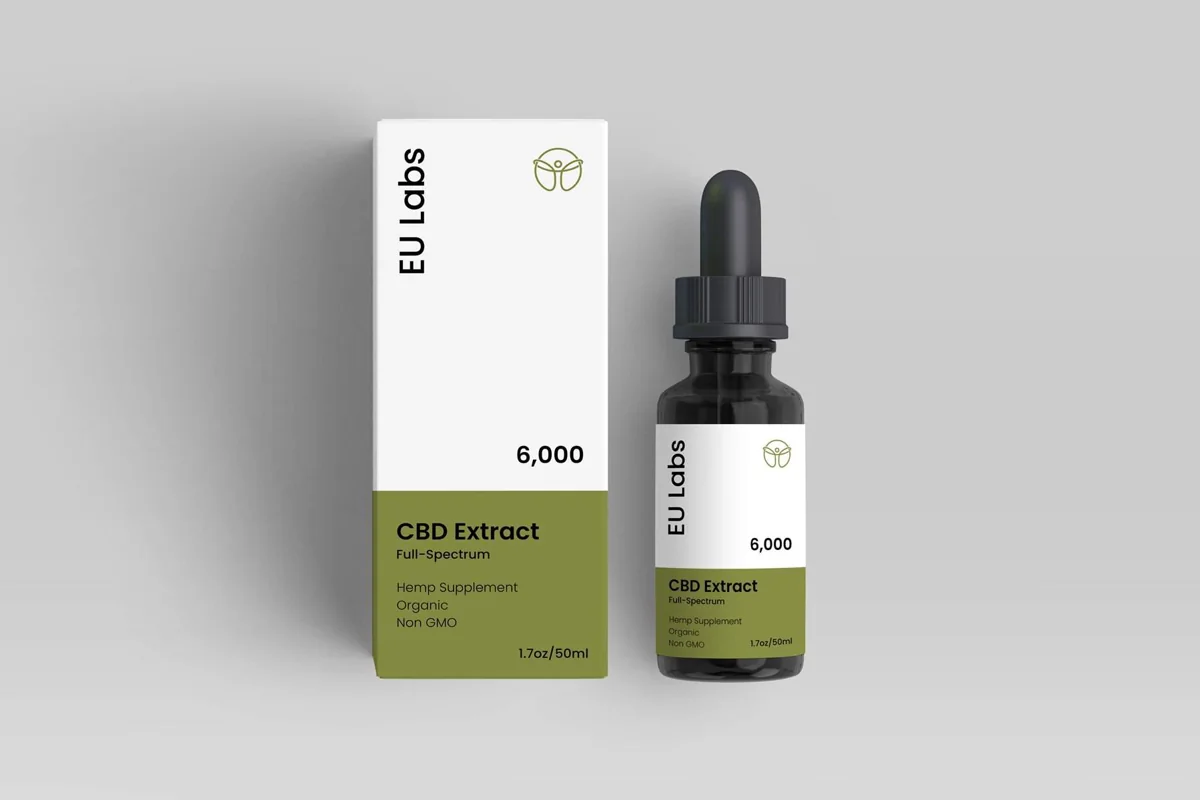
CBD Oil 6000mg – Full Spectrum
The whole-hemp profile — CBD alongside the smaller cannabinoids and terpenes from the same extraction. Trace THC stays under 0.3%. 6000mg in 50ml of MCT oil (120mg per ml).
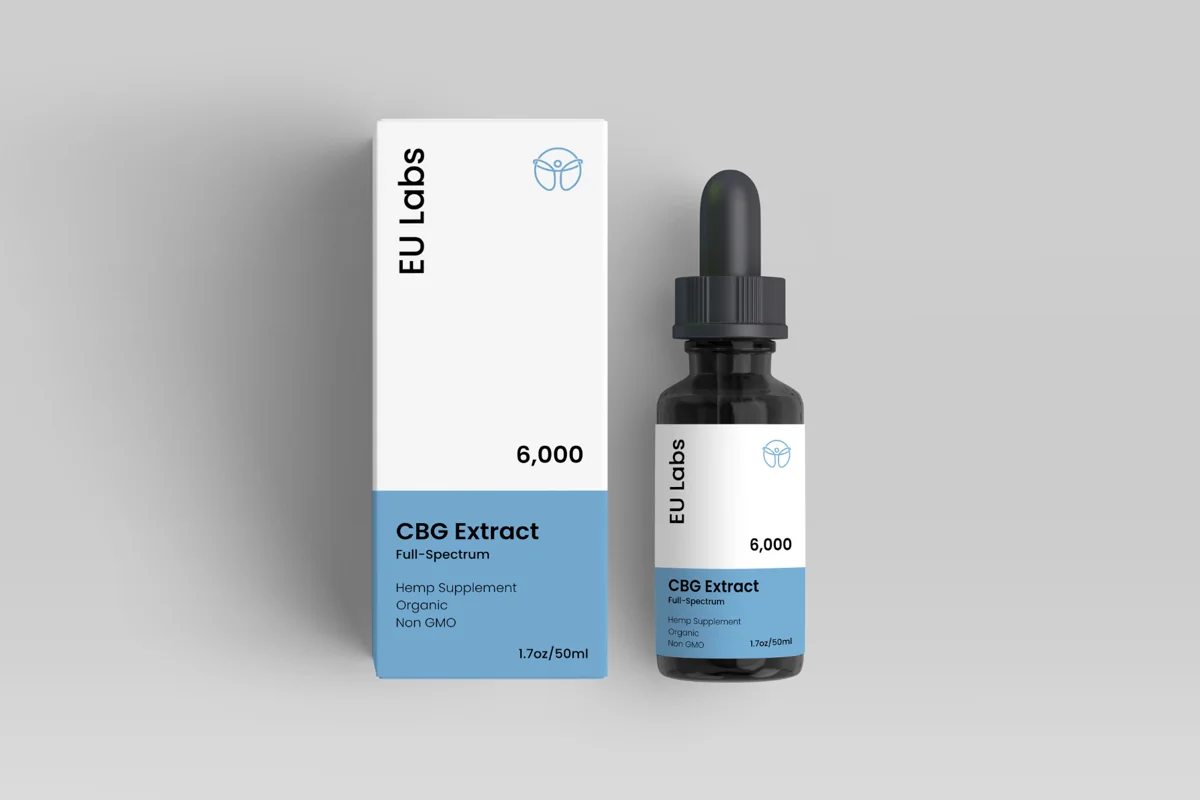
CBG Oil 6000mg – Cannabigerol
Cannabigerol — the cannabinoid the hemp plant uses to make the others as it grows. Less abundant than CBD, which is why CBG oils sit at a different price point. 6000mg in 50ml of MCT carrier (120mg per ml).
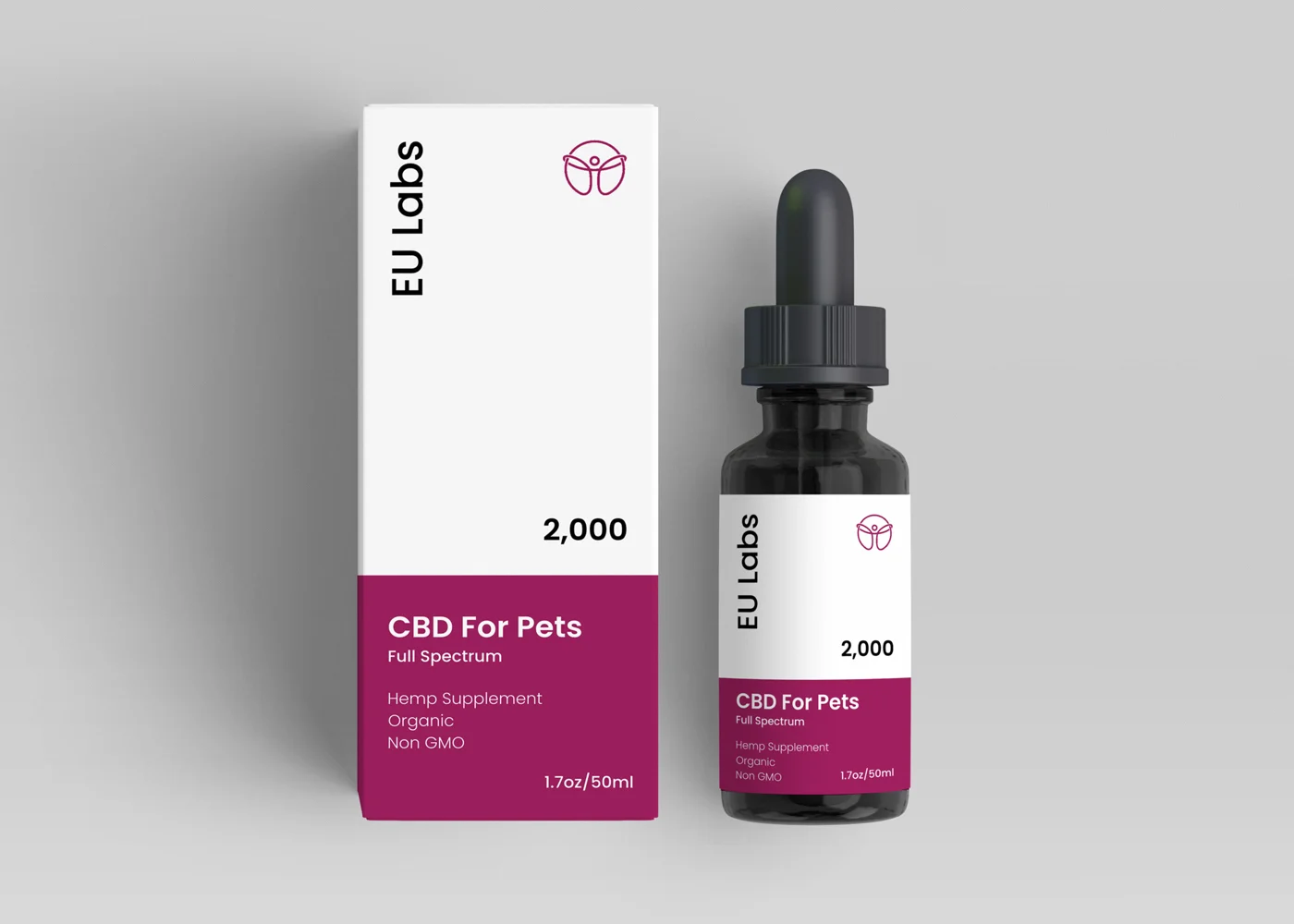
Pet CBD Oil 2000mg – Full Spectrum
Pet-formulated CBD oil — same hemp source as our human range, neutral MCT carrier, no human-targeted flavours or sweeteners. 2000mg in 50ml of MCT oil (40mg per ml). Best introduced under guidance from your vet.
Hemp-Derived Consumer CBD Oil and the Framework
Hemp-derived CBD oils sold as consumer products sit in a different regulatory space from both registered medicines and unapproved therapeutic goods. ARTG registration is not required for products not presented as medicines.
The legal foundation for low-THC hemp products in Australia includes the industrial hemp framework (which sets THC thresholds for plant material) and separate food and supplement rules. When a hemp-derived cannabidiol oil is not presented as having therapeutic effects, it falls outside the scheduling system.
At FraLa CBD, our oils are sourced from EU Labs in Amsterdam and third-party tested by batch. Our full-spectrum CBD oil retains a legal trace of THC under 0.3%, confirmed by each batch's Certificate of Analysis. Our broad-spectrum CBD oil has THC removed to 0% — also confirmed by COA. Neither product makes any health claim.
For a full breakdown of composition, see the differences between full-spectrum and broad-spectrum CBD oil, or browse the range at FraLa CBD's shop.
TGA Enforcement and Why Health Claims Matter
The TGA enforces compliance across the therapeutic goods supply chain — from manufacturing and import through to advertising and supply.
For the hemp and CBD space, advertising is the most common compliance pressure point. If product copy — website, label, social media — makes a therapeutic claim (stating or implying the product diagnoses, treats, prevents or cures a condition), that claim can bring the product into scope of therapeutic goods advertising law, regardless of how the product is otherwise categorised. This is why FraLa CBD describes products only by cannabinoid composition, strength in mg, spectrum and THC percentage, and never by claimed effect.
Understanding the TGA framework is not a purely academic exercise — it is the reason the language around CBD oil in Australia is structured the way it is.
Common Questions About the TGA and CBD Oil
What is the TGA? The Therapeutic Goods Administration is an Australian government body within the Department of Health and Aged Care, headquartered in Canberra, ACT. It regulates medicines, devices and biologicals — setting which goods can be sold, how they are assessed, and enforcing compliance. See tga.gov.au.
What is Schedule 3 for CBD in Australia? Schedule 3 (S3) is the Poisons Standard category allowing low-dose cannabidiol to be supplied by a pharmacist without a prescription. Criteria: ≤150mg CBD per pack, ≥98% cannabidiol by total cannabinoid weight, adult use, ARTG registration required. As at 2025, no S3 CBD product is registered on the ARTG.
Can I buy CBD oil without a prescription in Australia? For a formally registered therapeutic product: the Schedule 3 OTC pathway exists in regulation but no product is available in pharmacies as at 2025. Hemp-derived CBD oil from consumer-focused online stores operates outside the pharmacy medicine system. Higher-dose products require a prescription via SAS-B or Authorised Prescriber.
Does FraLa CBD sell prescription CBD products? No. FraLa CBD is a Byron Bay, NSW label selling hemp-derived CBD oil as a consumer product — not a registered therapeutic good, not a Schedule 3 or Schedule 4 medicine. We don't prescribe. Browse the range at our shop or contact enquiries@franklauda.com.
Delivery to Byron Bay
If you are ordering from Byron Bay, delivery is domestic and tracked. FraLa CBD dispatches to Byron Bay and across NSW — including Ballina, Lennox Head, Mullumbimby, Lismore, with the same batch-tested stock listed on the shop page. Ask for the Certificate of Analysis for your bottle's lot number at any point.
Two different pathways
| Over-the-counter hemp CBD | Prescription medical cannabis | |
|---|---|---|
| How you get it | Bought online, no script | Doctor's script via TGA pathways |
| THC level | Trace (under 0.3%) or none | Can be significant |
| Described by | Composition — mg, spectrum, carrier | Therapeutic indication |
| ARTG registered | No | Accessed as an unapproved good |
These are separate legal categories. One is not a substitute for the other.