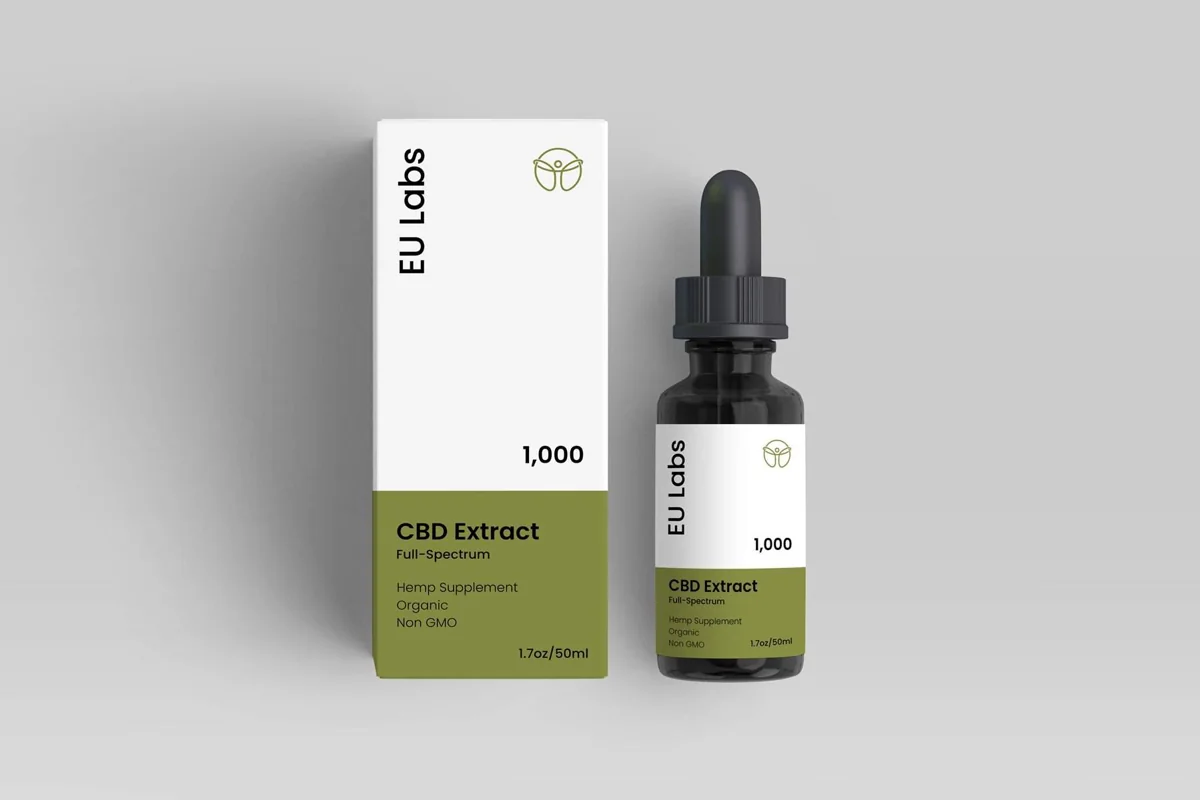
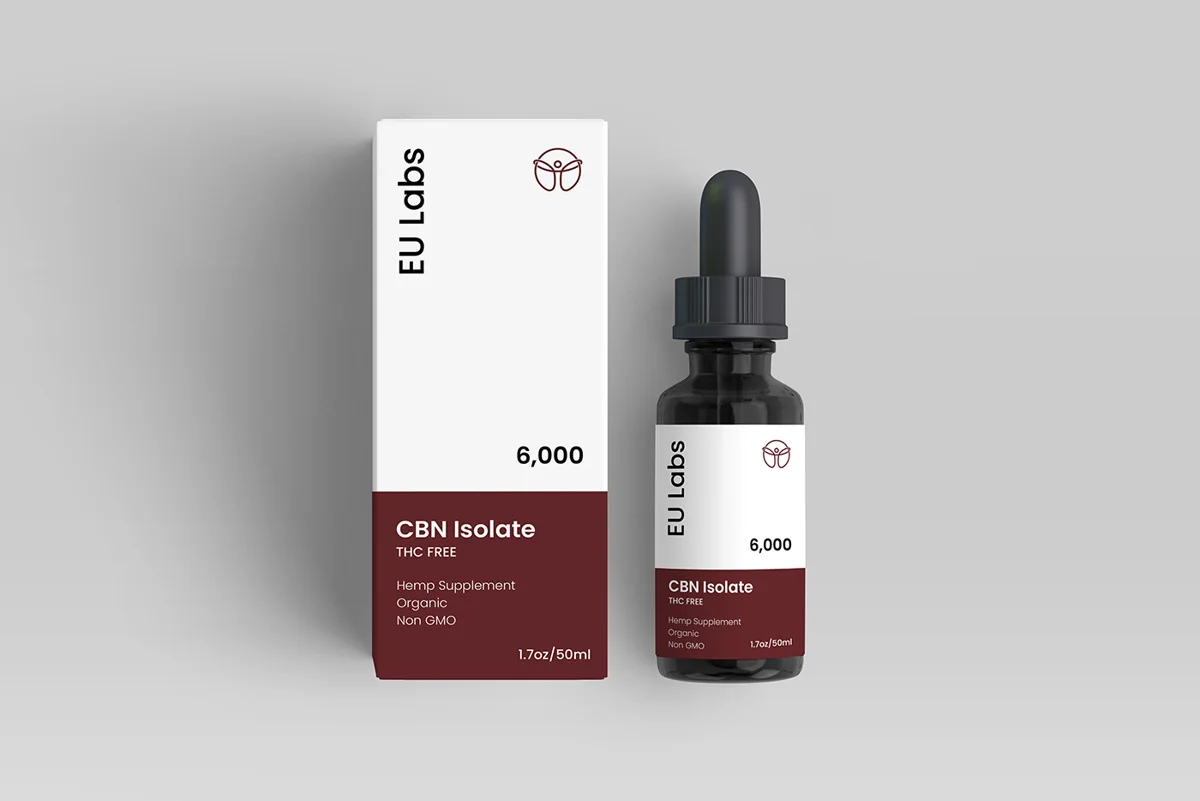
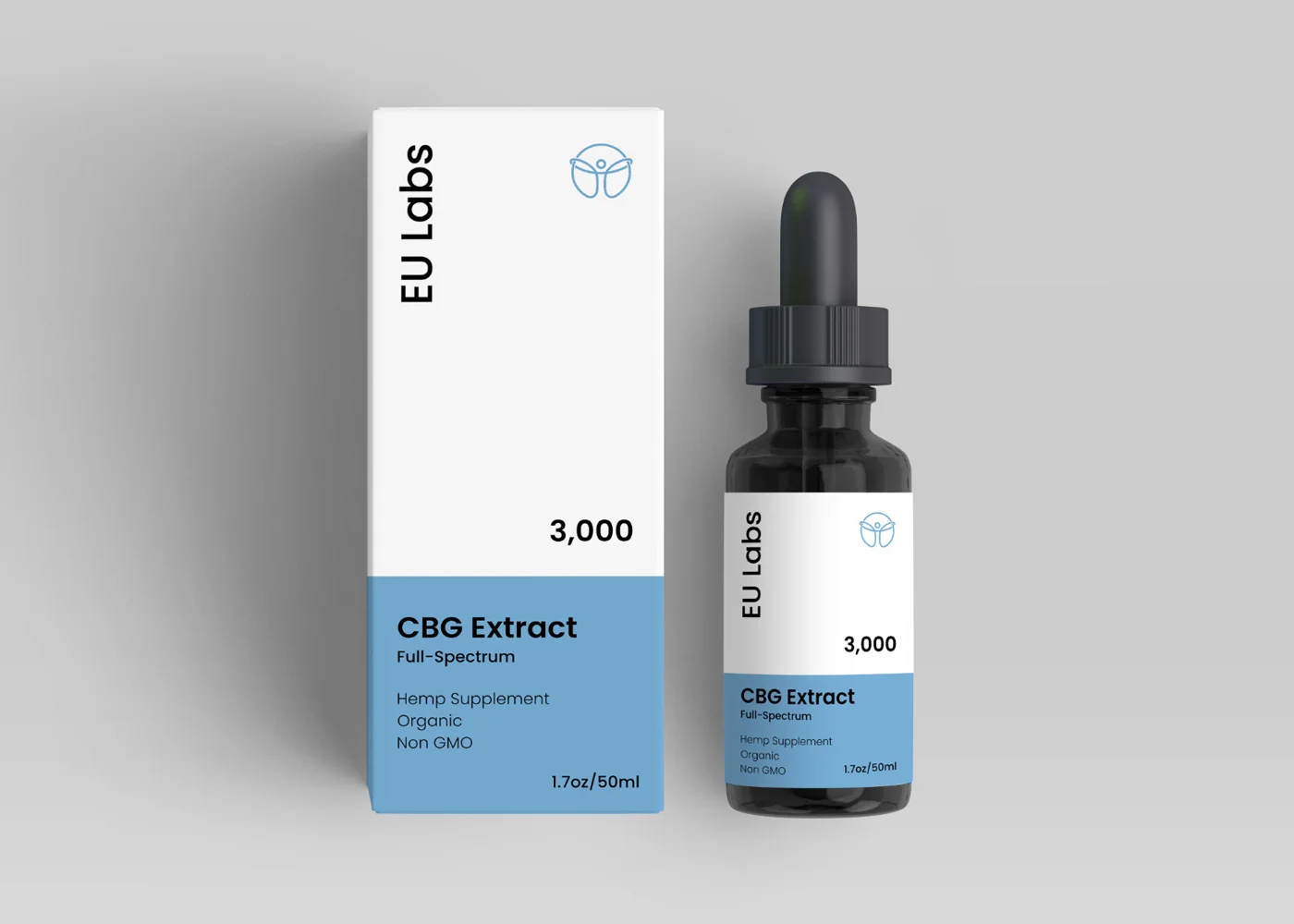
The difference between full-spectrum and broad-spectrum CBD oil is a single processing step: both start from the same whole-plant hemp extract, but broad-spectrum goes through an additional stage that removes THC, bringing it to 0% THC. Full-spectrum retains a trace of THC — under 0.3% — because nothing is stripped from the extract after the initial processing. This guide explains what that means in terms of composition, how each type is tested, and how to choose between them.
FraLa CBD stocks both full-spectrum CBD oil and broad-spectrum CBD oil as part of a five-family range, all sourced from EU Labs and tested by an independent laboratory, batch by batch. Both families are available from $69.00 for the 1000mg bottle. Browse both on the shop page.
What Full-Spectrum CBD Oil Contains
Full-spectrum CBD oil is a whole-plant extract from hemp (Cannabis sativa L.). The extraction captures the full cannabinoid and terpene profile of the plant — every compound that was in the plant material comes through into the extract, in the proportions they were present.
The primary compound in a full-spectrum CBD oil is cannabidiol (CBD). Alongside it you will find:
- Minor cannabinoids — cannabigerol (CBG), cannabichromene (CBC), cannabinol (CBN) and others, each at relatively small concentrations compared to CBD
- Terpenes — the aromatic compounds produced by the hemp plant. Terpenes are found in many plants and are responsible for the characteristic smells and flavours; in hemp, common terpenes include myrcene, pinene and linalool
- Trace THC — Delta-9 tetrahydrocannabinol at a level confirmed by the Certificate of Analysis to be under 0.3%
The 0.3% THC threshold is the standard used in Australian hemp regulation. At this level, THC is not psychoactive — this is a trace, not a meaningful dose. The exact THC percentage for each batch is on the batch-specific COA; request yours at enquiries@franklauda.com.
The carrier oil across all FraLa CBD products is MCT — medium-chain triglyceride oil derived from coconut. It is neutral, odourless and stable.
What Broad-Spectrum CBD Oil Contains
Broad-spectrum CBD oil starts from the same whole-plant hemp extraction. The difference is a post-extraction processing step that specifically targets and removes Delta-9 THC from the extract.
After this step, the THC content is confirmed to be 0% THC — not detected by the laboratory that tests the batch. Everything else that was in the full-spectrum extract remains:
- Cannabidiol (CBD) as the primary compound, at the same concentration as the equivalent full-spectrum product at the same stated strength
- Minor cannabinoids — CBG, CBC, CBN and others, in the same relative proportions as the full-spectrum extract (since only THC was removed)
- Terpenes — the plant terpene profile is retained in the same way
The cannabinoid content of a broad-spectrum CBD oil at 1000mg is compositionally comparable to a full-spectrum CBD oil at 1000mg — the same amount of CBD per serving, the same minor cannabinoid presence — except that the full-spectrum product has trace THC where the broad-spectrum has none.
The Processing Step That Makes the Difference
The technical process used to remove THC from a full-spectrum extract to produce a broad-spectrum product typically involves one of several techniques:
- Chromatography — using differences in how compounds interact with a stationary phase to separate and remove THC selectively
- Selective crystallisation — in some formulations, THC can be removed by exploiting differences in how compounds crystallise
- Secondary distillation — targeted distillation that isolates and removes the THC fraction
The exact method used depends on the producer and their equipment. The important practical point is that the technique removes THC selectively — the minor cannabinoids and terpenes are not significantly affected. A well-produced broad-spectrum extract should test comparably to its full-spectrum counterpart on cannabidiol concentration, with the THC line reading ND.
At FraLa CBD, both full-spectrum and broad-spectrum products are sourced from EU Labs. The Certificate of Analysis guide explains how to read the THC line on a COA for each product type.
How the Strengths Compare
Both full-spectrum CBD oil and broad-spectrum CBD oil at FraLa CBD are available in the same four strength tiers:
- 1000mg — 10mg CBD per 0.5ml serving — $69.00 AUD
- 3000mg — 30mg CBD per 0.5ml serving — $140.00 AUD
- 6000mg — 60mg CBD per 0.5ml serving — $230.00 AUD
- 12000mg — 120mg CBD per 0.5ml serving — $340.00 AUD
All bottles are 50ml with a 0.5ml dropper, giving approximately 100 servings per bottle. The strength number on the label is the total milligrams of CBD in the whole bottle. Divide by 100 to get the per-serving amount.
The price is identical at each strength for full-spectrum and broad-spectrum — the processing step that removes THC does not change the pricing structure at FraLa CBD. Compare both families on the shop page.
What the Certificate of Analysis Confirms for Each Type
The COA is the document that distinguishes a product's stated spectrum from what was actually found in the batch.
For full-spectrum CBD oil, the COA should show:
- CBD as the primary cannabinoid, with the concentration matching the label strength (within analytical tolerance)
- Minor cannabinoids (CBG, CBC, CBN) at trace levels
- Delta-9 THC: less than 0.3%
- Terpene profile (if the laboratory's testing scope includes terpenes)
For broad-spectrum CBD oil, the COA should show:
- CBD as the primary cannabinoid, same as full-spectrum at equivalent strength
- Minor cannabinoids at comparable trace levels
- Delta-9 THC: 0.00% or ND (not detected)
If a COA for a supposed broad-spectrum product shows any detectable THC, that is a finding that should be queried with the supplier. Request your batch COA from FraLa CBD at enquiries@franklauda.com — and see the guide to reading a CBD Certificate of Analysis to understand every section of the document.
From our CBD oil range
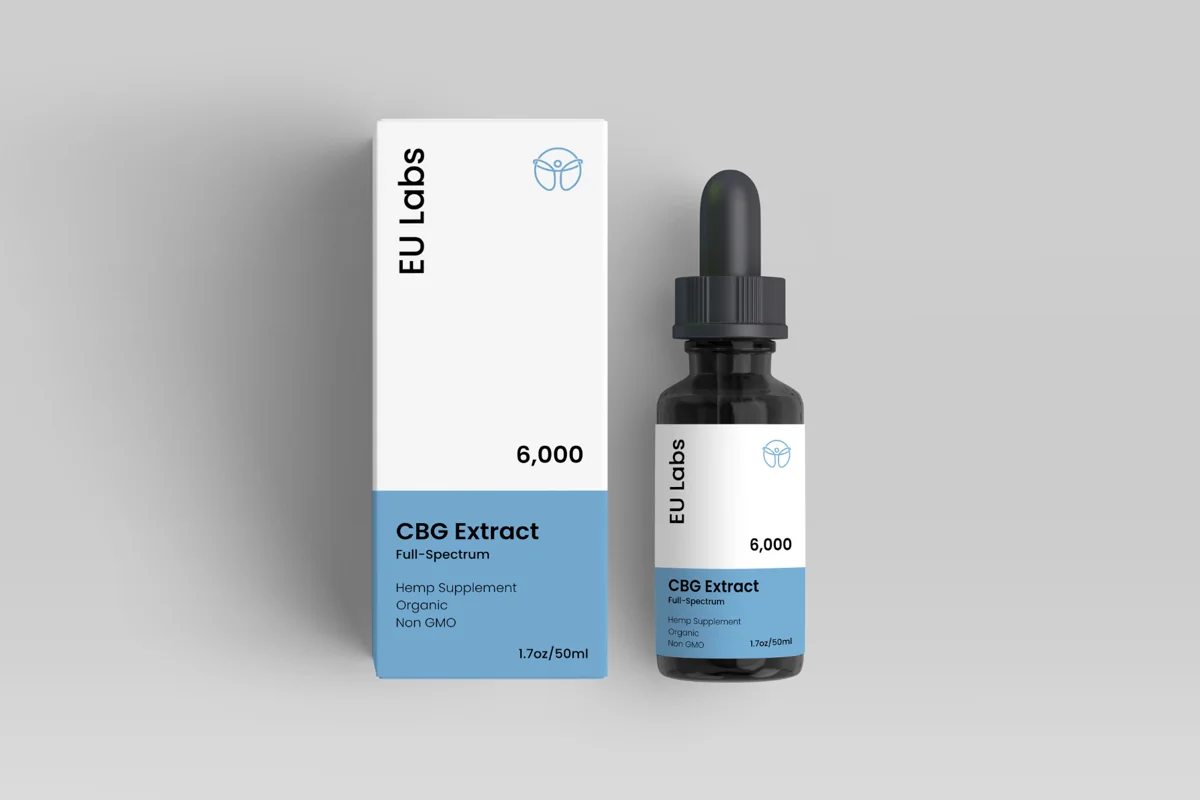
CBG Oil 6000mg – Cannabigerol
Cannabigerol — the cannabinoid the hemp plant uses to make the others as it grows. Less abundant than CBD, which is why CBG oils sit at a different price point. 6000mg in 50ml of MCT carrier (120mg per ml).
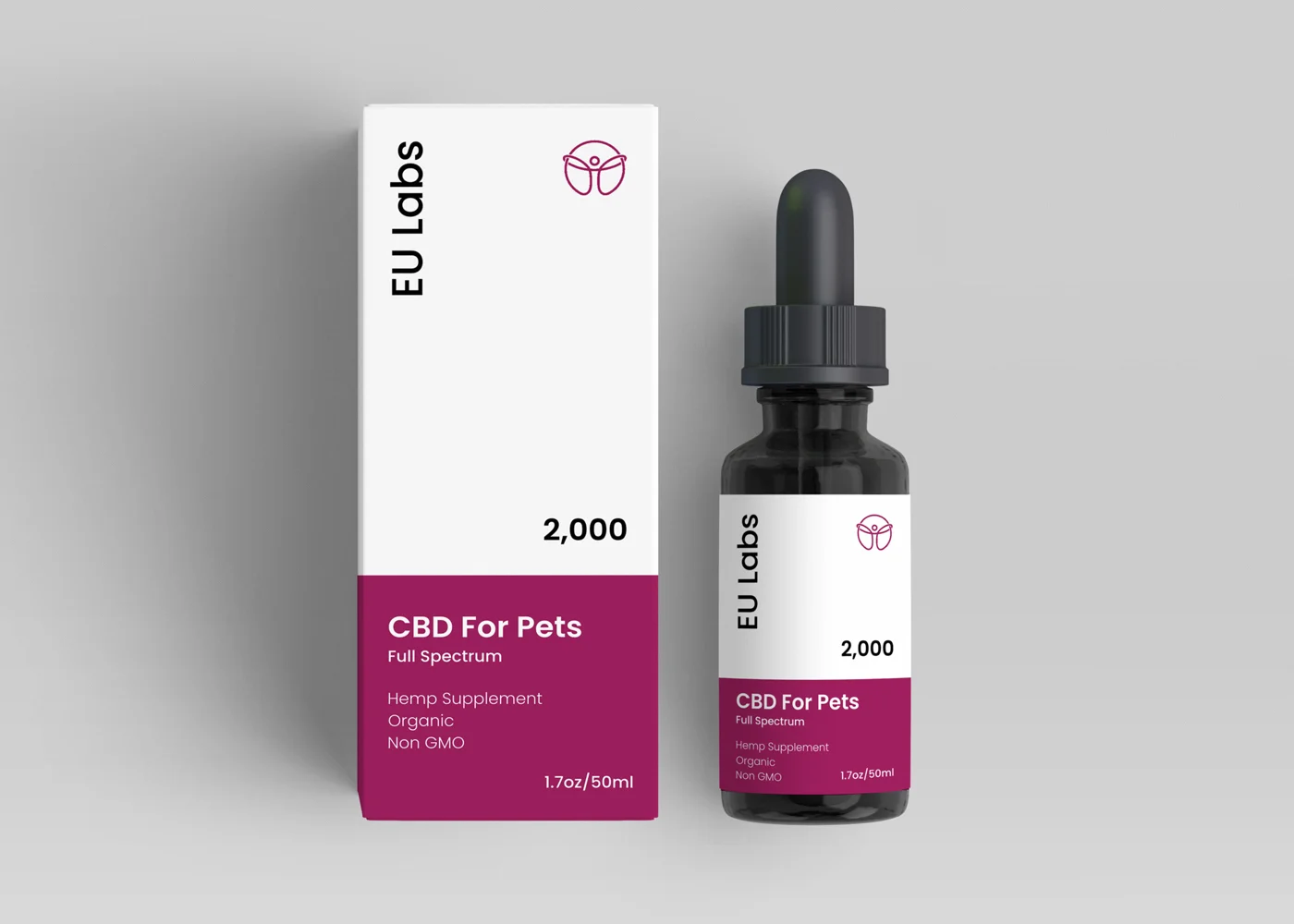
Pet CBD Oil 2000mg – Full Spectrum
Pet-formulated CBD oil — same hemp source as our human range, neutral MCT carrier, no human-targeted flavours or sweeteners. 2000mg in 50ml of MCT oil (40mg per ml). Best introduced under guidance from your vet.
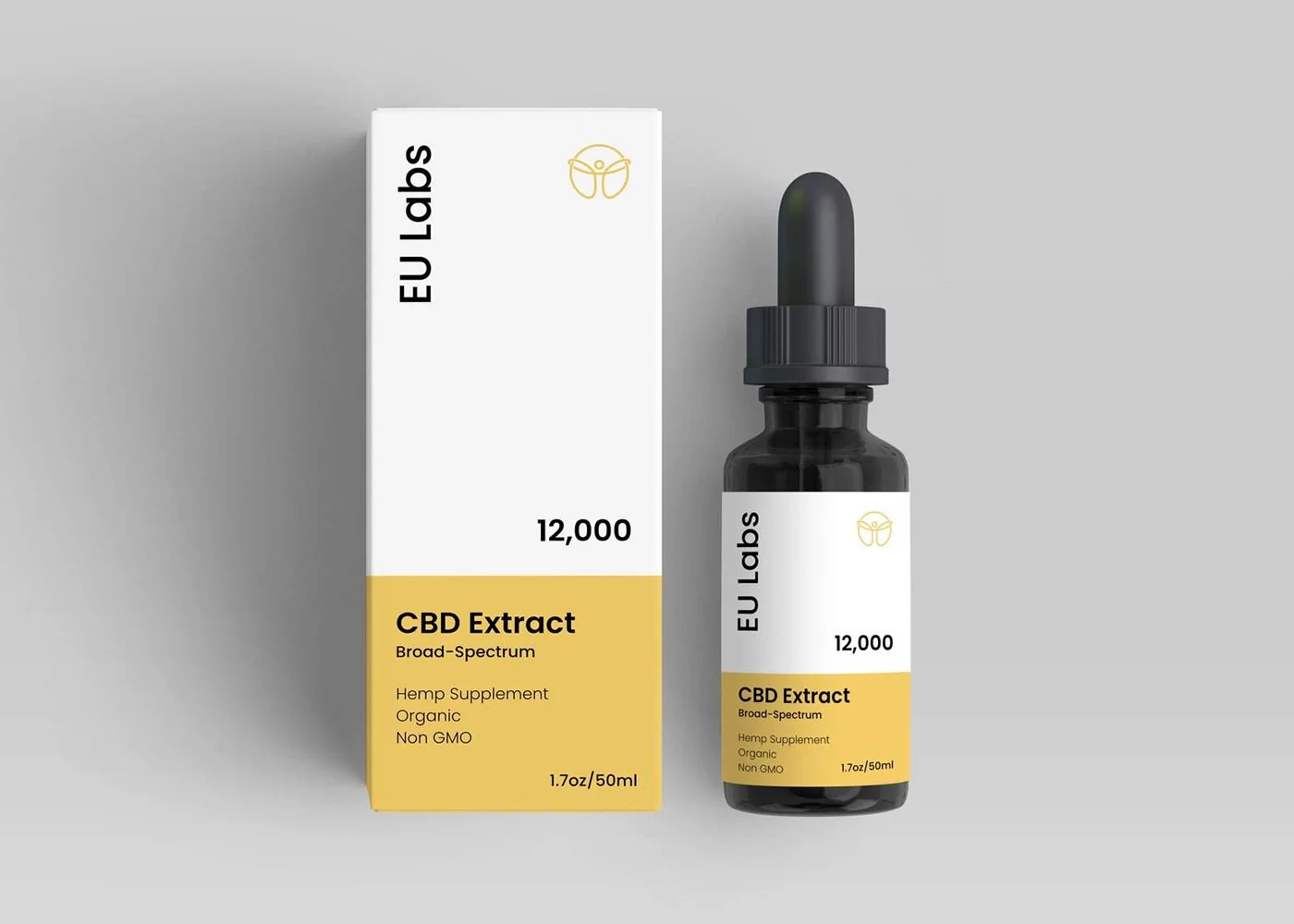
CBD Oil 12000mg – Broad Spectrum
Broad-spectrum CBD — all the supporting cannabinoids and terpenes from the hemp plant, with THC removed. 12000mg in a 50ml MCT bottle (240mg per ml).
CBG Oil and CBN Oil: How They Differ from Both
For completeness: FraLa CBD also stocks CBG oil and CBN oil, which are neither full-spectrum nor broad-spectrum in the same sense.
CBG oil features cannabigerol (CBG) as its primary compound. This is a single-cannabinoid extract — the whole-plant approach is not used; instead, CBG is the targeted compound. It is not a CBD product.
CBN oil is cannabinol (CBN) as a THC-free isolate — a single purified compound, not a spectrum extract at all. The COA for CBN oil shows CBN as the sole primary compound and 0% THC.
These are separate product families from the full-spectrum/broad-spectrum pairing. Browse all five families on the shop page or read the overview on the FraLa CBD home page.
Which Should You Choose?
The choice between full-spectrum and broad-spectrum CBD oil is a composition question, not a health recommendation — FraLa CBD does not give medical or dosing advice.
The compositional distinction is one:
Full-spectrum CBD oil is the unmodified whole-plant extract. It contains trace THC under 0.3%, a legal level that is non-intoxicating. It also carries the complete minor cannabinoid and terpene profile of the hemp plant.
Broad-spectrum CBD oil has THC removed to 0% THC but otherwise retains the same hemp profile. It is the choice for anyone who specifically wants no THC at all in the formula — whether for personal preference, specific requirements, or any other reason.
Both products are available for delivery anywhere in Australia from FraLa CBD's Byron Bay, NSW base. See CBD oil Sydney, CBD oil Melbourne or CBD oil Brisbane for city-specific delivery information, or the shipping page for all states and territories.
Common questions about CBD oil in Australia
Is full-spectrum CBD oil stronger than broad-spectrum? At the same stated strength (e.g., both at 1000mg), the CBD content is the same. "Strength" refers to the total cannabinoid in the bottle, not relative potency. The compositional difference is the THC and the completeness of the plant profile, not the CBD concentration.
Does broad-spectrum have any THC at all? A well-produced broad-spectrum CBD oil should test at 0% THC — confirmed as "not detected" on the batch COA. This is not a guaranteed feature of all products on the market; it is what the COA is there to verify for your specific batch. Request yours at enquiries@franklauda.com.
What does "trace THC" mean in full-spectrum CBD oil? "Trace" refers to a THC level under 0.3% — the standard hemp threshold. This is a very small amount that is not associated with psychoactive effects.
Can I get a COA for either product type? Yes. Email enquiries@franklauda.com with the lot number from your bottle and we send the batch-specific COA — including the THC line that confirms the product is full-spectrum or broad-spectrum as labelled.
Do full-spectrum and broad-spectrum cost the same at FraLa CBD? Yes — the price at each strength tier is identical for both families. Compare them on the shop page.
What is the TGA's position on these products? The Therapeutic Goods Administration regulates cannabidiol products in Australia under the Poisons Standard. The broader legal context is covered in the CBD oil laws in Australia guide.
Buying in Byron Bay
Everything described above ships to Byron Bay and across NSW — including Ballina, Lennox Head, Mullumbimby, Lismore. FraLa CBD sends orders tracked from within Australia, priced in AUD, with the batch Certificate of Analysis available on request.
Spectrum types at a glance
| Type | Other cannabinoids | Terpenes | THC on the COA |
|---|---|---|---|
| Full-spectrum | Present | Present | Trace, under 0.3% |
| Broad-spectrum | Present | Present | Removed — 0% |
| Isolate | None | None | 0% |
The figure that matters is the one printed on the batch Certificate of Analysis, not the one on the marketing copy.