Choosing the best CBD oil in Australia comes down to eight measurable criteria — not a ranked list. A batch-specific Certificate of Analysis, confirmed THC content, quality carrier oil, disclosed extraction method, price per milligram, responsive customer service, EU-certified hemp origin, and TGA-compliant labelling tell you more than any top-five article will. Apply these criteria to any product, including ours.
Living in Byron Bay, NSW, I spend a fair amount of time looking at what is actually in CBD oil products — where the hemp comes from, what the label says, and whether the seller can back up their claims. This article sets out the eight questions I ask before deciding whether a product is worth buying.
Why a Ranking List Won't Help You Choose
Search "best CBD oil Australia" and you will find page after page of ranked lists. Most share two problems: the rankings reflect affiliate relationships rather than objective standards, and they are built around the writer's priorities, not yours. A hemp extract that one site ranks first may not suit your situation — different strengths, spectra, and carriers matter. What suits anyone is a consistent, repeatable set of criteria. The eight below are what I use.
Criterion 1 — The Certificate of Analysis Matches the Batch
A COA (Certificate of Analysis) issued by an independent laboratory is the baseline for any hemp-derived CBD oil. But the batch number on the COA must match the lot number on your bottle — a general brand certificate is not evidence of what is in your specific product.
The pre-purchase test: email the seller and ask for the COA for their current batch. A reputable supplier responds with a document that has a visible batch number you can verify against your bottle when it arrives. If they cannot produce it, or they send a document without a batch identifier, look elsewhere.
See the FraLa CBD guide to reading a CBD COA for a section-by-section walkthrough of every field on the document.
Criterion 2 — THC Level on the COA vs the Label Claim
The COA is the only document that verifies the THC figure on the label. Research published in the Journal of the American Medical Association found that nearly 70% of hemp product labels either over- or under-represented cannabidiol potency relative to laboratory findings. The same accuracy risk applies to THC content.
For full-spectrum CBD oil: the Delta-9 THC line on the COA should read below 0.3% — the standard used in Australian hemp regulation, representing a legal trace amount.
For broad-spectrum CBD oil: the THC line should read 0.00% or ND (not detected). Any detectable THC on a broad-spectrum COA means the product does not match its label description.
The FraLa CBD full-spectrum vs broad-spectrum guide explains what each spectrum type should show on the COA and how the processing step that removes THC works.
Criterion 3 — Carrier Oil Type and Quality
The carrier oil makes up 85–95% of what is in any CBD oil bottle. It is worth knowing what it is.
MCT (medium-chain triglyceride) oil, derived from coconut, is the most common carrier in quality hemp extract products. It is neutral, odourless, and stable. Other carriers include hempseed oil (which contains no significant cannabidiol itself) and various refined vegetable oils. Some products omit the carrier disclosure from the label entirely — an immediate red flag.
The label should name the carrier. If it does not, ask. If the answer is vague, that tells you something about how the supplier approaches transparency generally. At FraLa CBD, all products use MCT (coconut-derived) as the carrier.
Criterion 4 — Extraction Method Disclosure
The extraction method used to produce the hemp extract affects the purity of the final product. CO2 (supercritical carbon dioxide) extraction is the established standard: the CO2 acts as the extractant and then dissipates, leaving no solvent residue in the finished oil. This is why the contaminant section of a COA for a properly produced product shows ND (not detected) for residual solvents.
Solvent-based extraction (ethanol or hydrocarbons) is also used; when fully purged, it can produce a clean result — the contaminant screen on the COA is the verification. A supplier should be able to tell you plainly what extraction method their product uses. Transparency here is a proxy for transparency throughout the supply chain.
Criterion 5 — Price Per Milligram of CBD
Divide the price by the total milligrams of CBD to compare products fairly across different bottle sizes and strengths.
A 1000mg bottle at $69.00 works out to $0.069 per milligram of CBD. A 12000mg bottle at $340.00 works out to $0.028 per milligram — roughly half the per-milligram cost. Comparing by bottle price alone will mislead you every time. The calculation is always: total price ÷ total milligrams = price per mg.
The FraLa CBD CBD oil strengths guide sets out the full strength and price range so the comparison is straightforward. Current prices for all products are on the shop page.
Criterion 6 — Customer Service: Can You Request the COA?
Ask for the COA before you buy. How quickly and clearly a supplier responds tells you a great deal about how they manage their supply chain.
Send a simple message: "Can you send me the batch COA for the product I am considering?" Note the response time, whether the document includes a batch number, and whether the team can answer follow-up questions about what the document shows.
At FraLa CBD, you can request the batch Certificate of Analysis at enquiries@franklauda.com before or after purchase. Include the lot number from your bottle if you already have the product. We send the batch-specific document, not a generic brand certificate.
From our CBD oil range
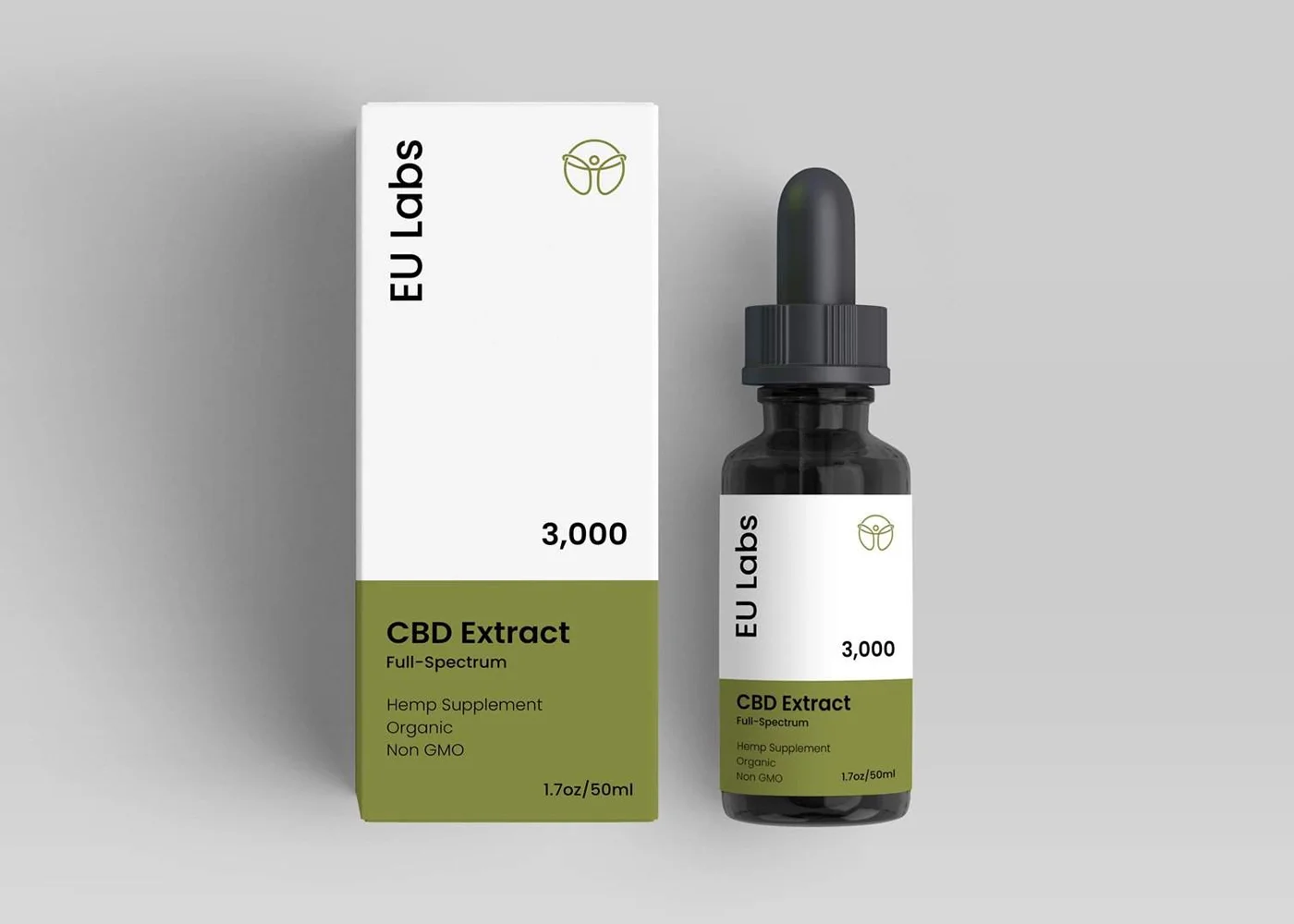
CBD Oil 3000mg – Full Spectrum
The whole-hemp profile — CBD alongside the smaller cannabinoids and terpenes from the same extraction. Trace THC stays under 0.3%. 3000mg in 50ml of MCT oil (60mg per ml).
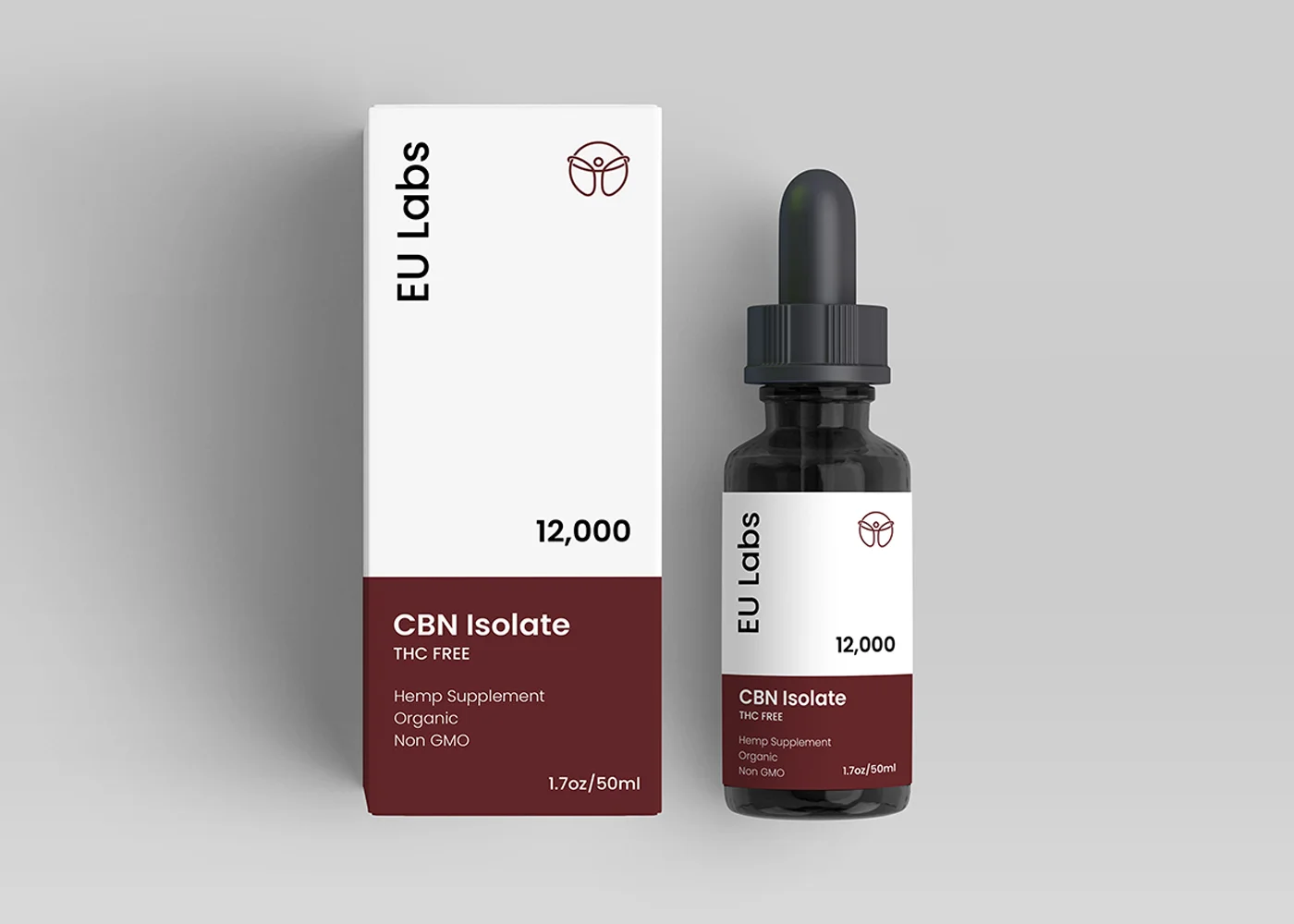
CBN Oil 12000mg – Cannabinol
Cannabinol — the cannabinoid that forms as raw hemp ages. 12000mg of CBN isolate in 50ml of MCT oil (240mg per ml). A common choice for evening routines among people already familiar with CBD.
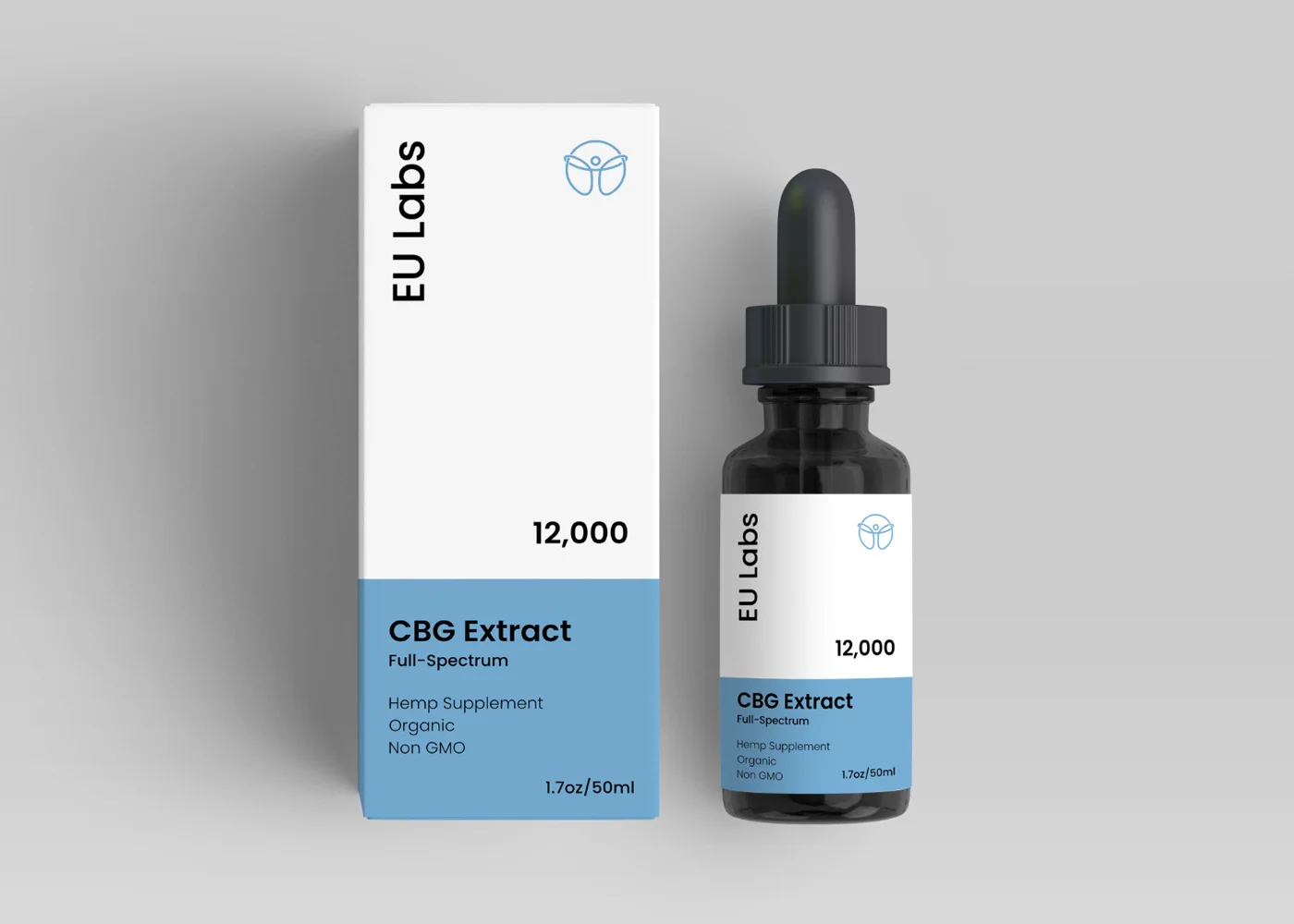
CBG Oil 12000mg – Cannabigerol
Cannabigerol — the cannabinoid the hemp plant uses to make the others as it grows. Less abundant than CBD, which is why CBG oils sit at a different price point. 12000mg in 50ml of MCT carrier (240mg per ml).
Criterion 7 — EU-Certified Hemp Source vs Unknown Origin
Hemp grown under EU agricultural frameworks is cultivated from registered low-THC varieties under documented rules that include field inspections and THC threshold checks at harvest. This documented supply chain is the reason EU hemp origin carries more traceability than "hemp extract" with no stated origin.
When a CBD oil label discloses no country, no producer, and no cultivar detail, you are relying entirely on the COA contaminant screen to tell you what ended up in the bottle. The contaminant section — heavy metals, pesticides — becomes especially important when the agricultural history of the hemp is unknown.
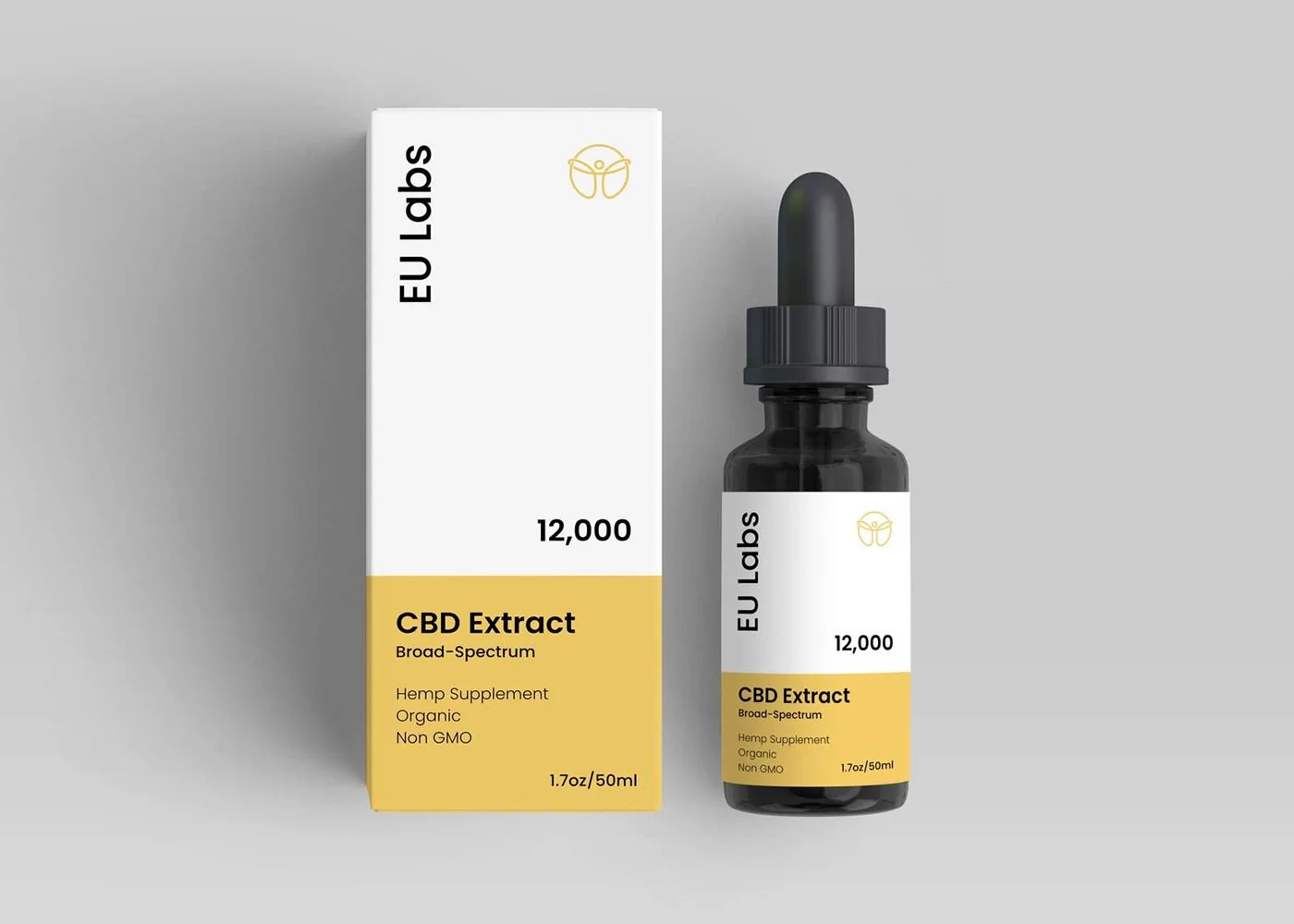
FraLa CBD sources products from EU Labs, imported from Amsterdam. The supply chain is documented; the batch COA is available on request.
Criterion 8 — Label Compliance
A compliant Australian hemp-derived CBD oil label should carry the batch number, cannabinoid content per serving, THC percentage, an 18+ advisory, and basic safety warnings.
The Therapeutic Goods Administration (TGA) regulates therapeutic goods in Australia. For hemp products outside the registered therapeutic goods framework, a baseline compliant label includes:
- Product name and net volume
- Total cannabidiol (CBD) content in the bottle (e.g., 1000mg)
- THC content or a below-threshold declaration
- Carrier oil named
- Batch number matching the COA
- 18+ advisory and basic safety notes
A label that omits the batch number makes COA matching impossible. A label that does not state the THC content withholds information a buyer needs to verify the product independently.
How FraLa CBD Meets These Criteria
COA with batch number: available on request at enquiries@franklauda.com, issued per batch from an independent laboratory.
THC on the COA: full-spectrum shows under 0.3% THC; broad-spectrum shows 0.00% (not detected).
Carrier oil: MCT (coconut-derived) across all product families.
Extraction method: CO2 extraction from EU-certified hemp.
Price per mg: from $0.069/mg (1000mg) to $0.028/mg (12000mg) — all prices on the shop page.
COA on request: email enquiries@franklauda.com with your lot number, before or after purchase.
Hemp source: EU Labs, Amsterdam — EU-registered hemp cultivars, documented supply chain.
Label compliance: batch number, CBD content, THC level, carrier oil, 18+ advisory — all present on every product label.
From Byron Bay, NSW, FraLa CBD ships tracked to all states and territories. For city-specific delivery, see CBD oil Sydney or explore the full product range on the shop page.
Common questions about CBD oil in Australia
What should I look for in a CBD oil in Australia? Eight criteria cover it: a batch-specific COA, confirmed THC level, disclosed carrier oil, known extraction method, calculated price per milligram, a supplier who will send the COA on request, EU-certified hemp origin, and a label with a batch number and safety information.
How do I calculate price per mg of CBD? Divide the total price in AUD by the milligrams of CBD in the bottle. A $69.00 / 1000mg bottle = $0.069 per mg. A $340.00 / 12000mg bottle = $0.028 per mg. The CBD oil strengths guide has the full comparison.
What is the difference between full-spectrum and broad-spectrum CBD oil? Both are whole-plant hemp extracts. Full-spectrum retains trace THC under 0.3%; broad-spectrum has THC removed to 0%, confirmed ND on the COA. The full-spectrum vs broad-spectrum guide covers the composition difference and what each type shows on the COA.
Can I get a COA for a FraLa CBD product? Yes. Email enquiries@franklauda.com with the lot number from your bottle. We send the batch-specific Certificate of Analysis from the laboratory that tested that production run.
Byron Bay orders and shipping
For buyers in Byron Bay, this range ships domestically with tracking to Byron Bay and across NSW — including Ballina, Lennox Head, Mullumbimby, Lismore. FraLa CBD lists each product by composition — strength, spectrum and carrier oil — and supplies the batch Certificate of Analysis when you ask for it.
Comparing any two CBD oils
| Check | Why it matters |
|---|---|
| mg per millilitre | The only fair way to compare price between bottle sizes |
| Spectrum | Full, broad and isolate are different products |
| THC figure on the COA | A measured result, not a marketing claim |
| Batch-specific testing | A COA must match your lot number |
| Where it ships from | Domestic dispatch avoids the customs step |