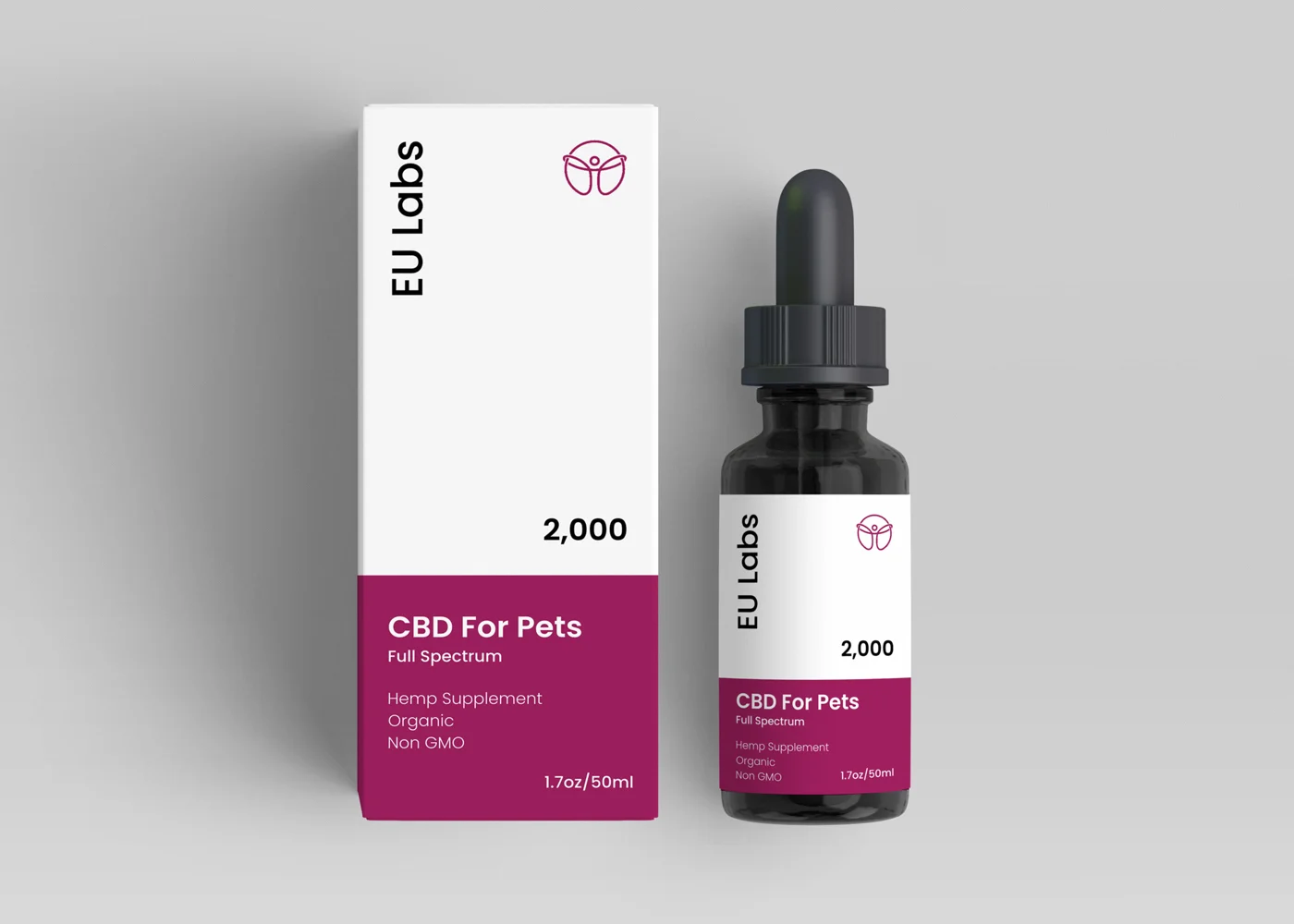
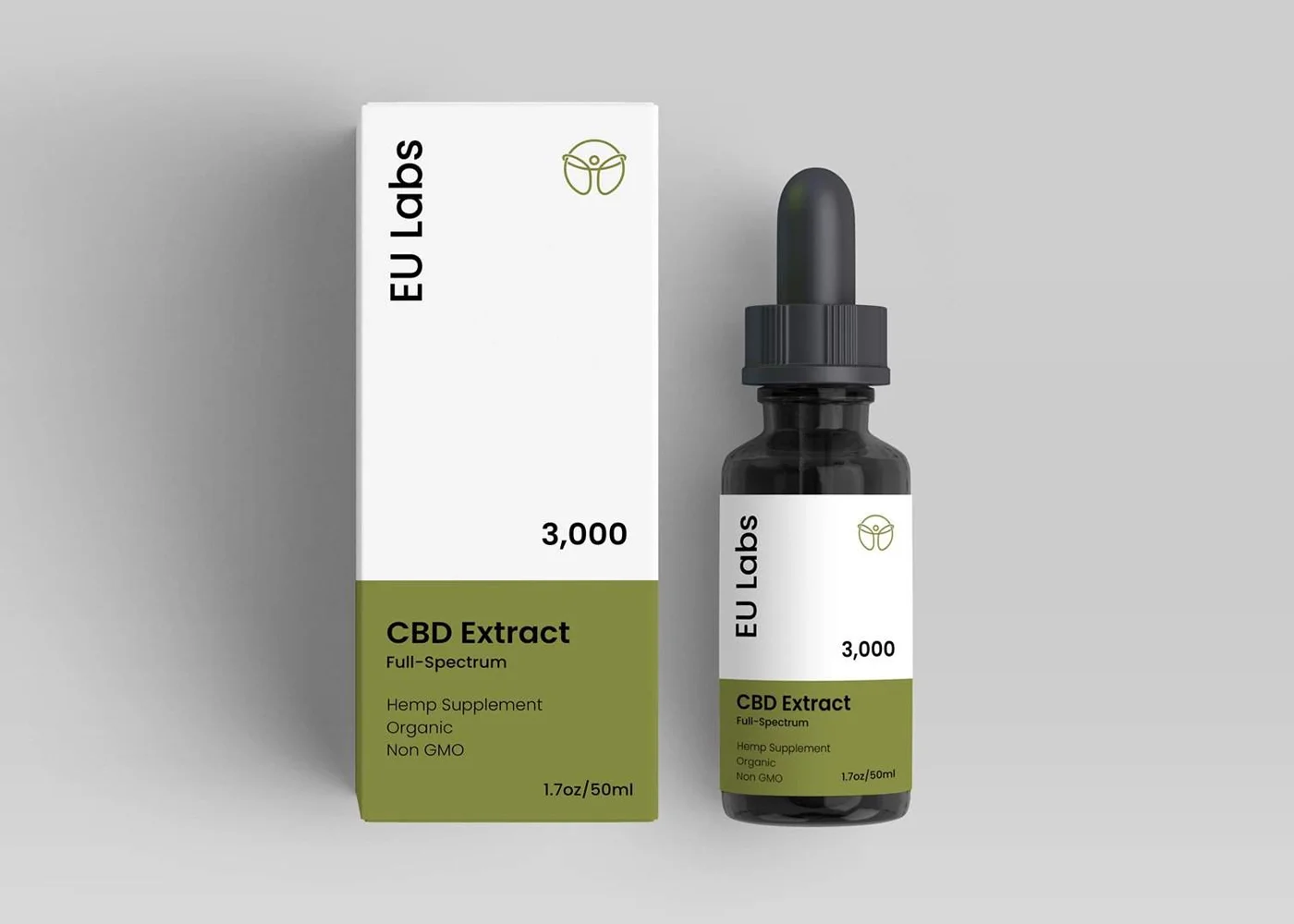
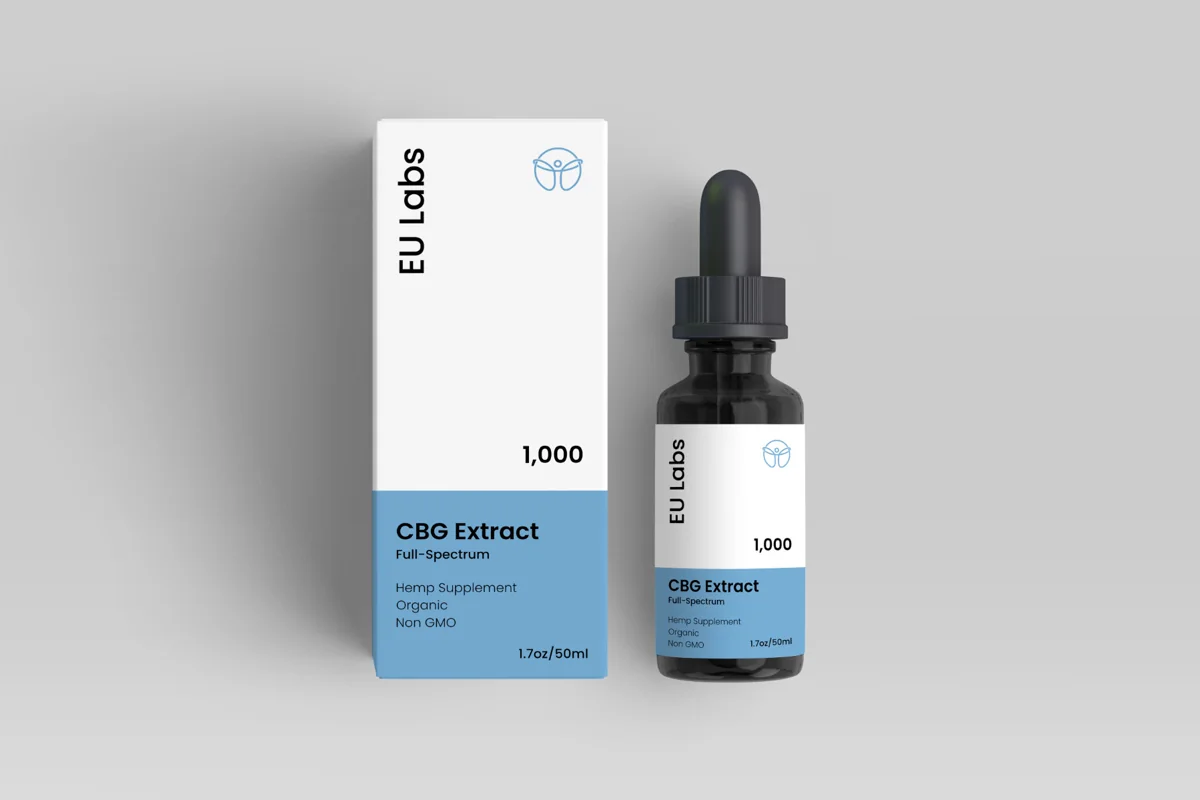
CBD oil is a liquid made by suspending cannabidiol — a compound extracted from the hemp plant (Cannabis sativa L.) — in a carrier oil. It is not a single chemical extracted in a single step: the hemp plant produces dozens of compounds, and how many of those remain in the finished product depends on how the oil is processed. This guide covers what what is CBD oil means in practical terms — the compound itself, its source, how it is extracted, what the label terms full-spectrum and broad-spectrum indicate, how to read the milligram figure on a bottle, and how Australian regulators classify these products.
FraLa CBD is a Byron Bay, NSW label stocking hemp-derived oils sourced from EU Labs and tested by independent laboratories per batch. The shop page lists every product with its strength, spectrum, and price.
What Is CBD Oil?
Cannabidiol — abbreviated CBD — is one of the naturally occurring compounds produced in the cannabis plant, specifically in the resin glands of the flowers and leaves. It belongs to a class of compounds called cannabinoids, which are unique to the cannabis genus.
CBD is chemically distinct from THC (delta-9 tetrahydrocannabinol). THC is the compound responsible for the intoxicating effects associated with cannabis; cannabidiol is not intoxicating. Hemp varieties grown for CBD extraction are selected to produce very low THC levels — typically below 0.3% in the plant material used for extraction.
A finished CBD oil is cannabidiol (and, depending on the type, other hemp compounds) suspended in a carrier oil. The carrier oil used across the FraLa CBD range — sourced from EU Labs — is MCT oil: medium-chain triglyceride oil derived from coconut. MCT is odourless, neutral in flavour, and stable over the product shelf life.
Where Does CBD Come From?
CBD is extracted from hemp — the common name for the low-THC cultivar of Cannabis sativa L. The species Cannabis sativa L. includes varieties cultivated for fibre, seed, and extract. Hemp refers specifically to varieties with THC content well below 0.3% in the aerial plant parts used for extraction.
The parts of the hemp plant that contain meaningful concentrations of cannabidiol are the flowers and leaves. Hemp seeds are different: they do not contain significant CBD. Hemp seed oil (also labelled hemp oil) is a food product cold-pressed from the seeds, rich in fatty acids but containing essentially no cannabidiol. A bottle of hemp seed oil from a health-food store and a bottle of CBD oil are different products with different compositions — a distinction that matters when reading labels.
The hemp plant also produces minor cannabinoids — CBG (cannabigerol), CBN (cannabinol), CBC (cannabichromene) — along with terpenes, the aromatic compounds found across many plant species. The balance of these in a finished CBD oil depends on the extraction and processing method.
How Is CBD Oil Made? Extraction and Carrier Oils
Extraction
The standard extraction method used for quality CBD oils is CO2 extraction — using carbon dioxide under controlled pressure to dissolve and carry cannabinoids and terpenes out of the plant material. CO2 leaves no solvent residue and produces a clean, concentrated hemp extract. After extraction, the CO2 is recovered as a gas, leaving only the plant compounds behind.
Ethanol extraction is an established alternative. Food-grade ethanol is an effective carrier for the full hemp compound profile; residual ethanol is removed in post-extraction processing and confirmed absent by a contaminant screen on the Certificate of Analysis (COA).
Both methods produce a concentrated hemp extract — thick, dark, and not yet a finished product.
Carrier Oil
The concentrated extract is diluted into a carrier oil to create a product with a consistent, measurable delivery format. FraLa CBD sources products using MCT (coconut-derived) as the carrier: neutral in flavour, liquid at room temperature, and consistent in how it holds the hemp extract across the bottle shelf life.
The finished CBD oil is hemp extract dissolved into MCT carrier, filled into a dropper bottle, and labelled with the total cannabinoid content in milligrams. Buying a CBD oil with a clear label and a matching COA is the starting point for knowing what you are getting.
Full-Spectrum, Broad-Spectrum, and Isolate — What They Mean
These three terms describe what the hemp extract contains after processing — specifically, how many of the original plant compounds remain in the finished oil.
Full-spectrum CBD oil retains the complete cannabinoid and terpene profile of the hemp plant. Alongside the primary compound cannabidiol, it contains minor cannabinoids — CBG, CBC, CBN — and a range of terpenes. It also retains a trace of THC under 0.3%, confirmed per batch by the COA. The 0.3% threshold reflects Australian hemp regulation; at this level, THC is a trace compound only.
Broad-spectrum CBD oil starts from the same whole-plant extract. An additional processing step — typically chromatography or targeted distillation — removes THC, bringing it to 0% THC as confirmed by the COA. The other cannabinoids and terpenes remain; compositionally, the broad-spectrum product is comparable to full-spectrum at the same stated strength, minus the THC.
CBD isolate is a single purified compound: cannabidiol only, with no other cannabinoids and no terpenes. FraLa CBD does not sell a standalone isolate product; our CBN oil uses cannabinol as a purified isolate, but that is a separate product family.
For a detailed comparison of how full-spectrum and broad-spectrum products differ in composition and what the COA confirms for each type, see the full-spectrum vs broad-spectrum guide.
How to Read the Milligrams on a CBD Oil Label
The milligram figure on a CBD oil label — for example, 1000mg — is the total amount of CBD in the whole bottle, not the per-dose amount.
To find the per-serving figure: divide the total by the number of servings in the bottle. A 50ml bottle with a 0.5ml dropper gives approximately 100 servings. A 1000mg / 50ml product therefore contains 10mg of CBD per 0.5ml serving. A 3000mg / 50ml bottle at the same volume gives 30mg per serving.
The batch COA confirms that the cannabinoid content matches the label claim. If the COA reports results as a percentage, a 1000mg / 50ml product should register approximately 2.0% CBD by weight (based on an oil density near 1g/ml). For a step-by-step walkthrough of every COA section — including how to match the lot number and check the THC line — see the Certificate of Analysis guide.
From our CBD oil range
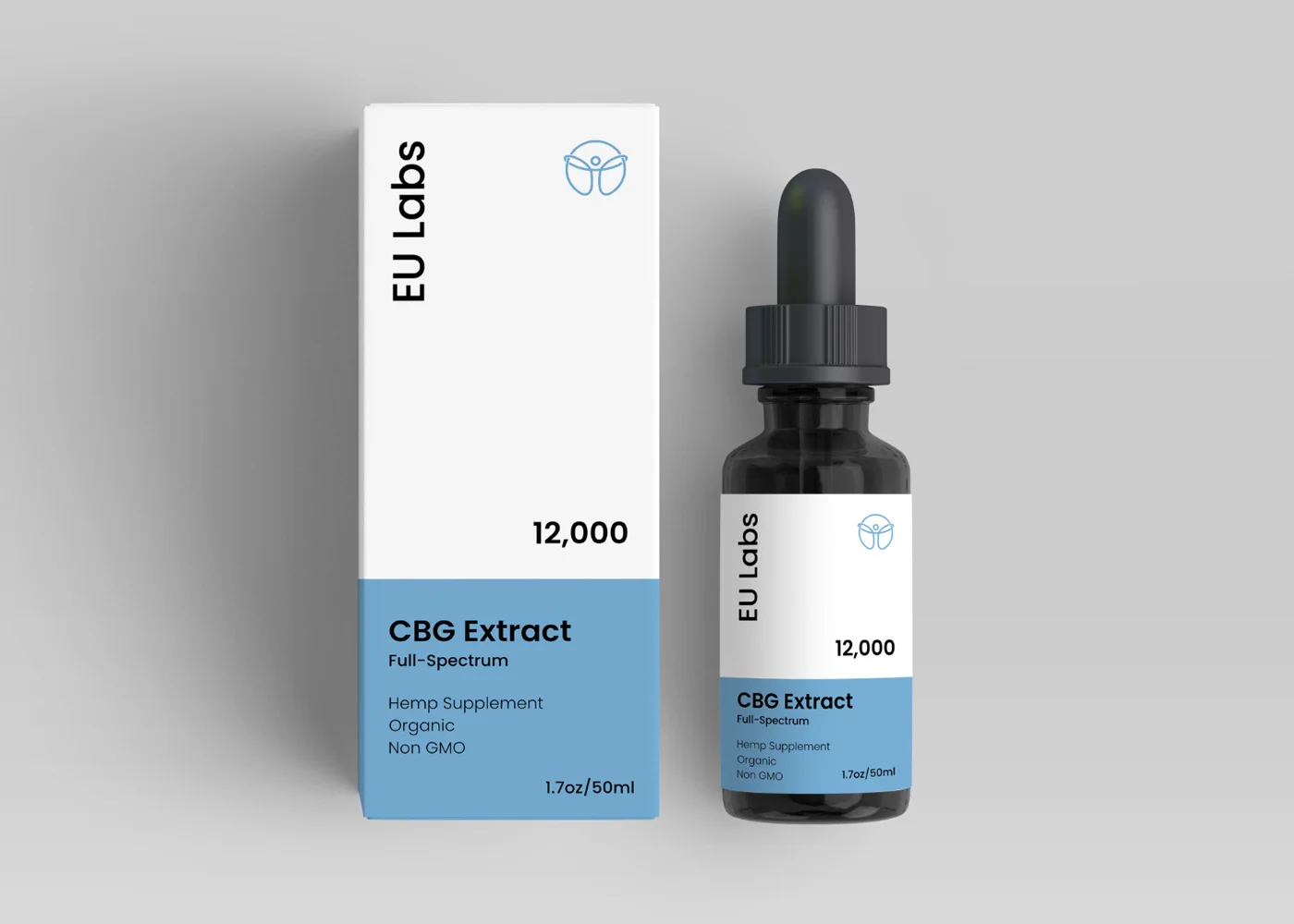
CBG Oil 12000mg – Cannabigerol
Cannabigerol — the cannabinoid the hemp plant uses to make the others as it grows. Less abundant than CBD, which is why CBG oils sit at a different price point. 12000mg in 50ml of MCT carrier (240mg per ml).
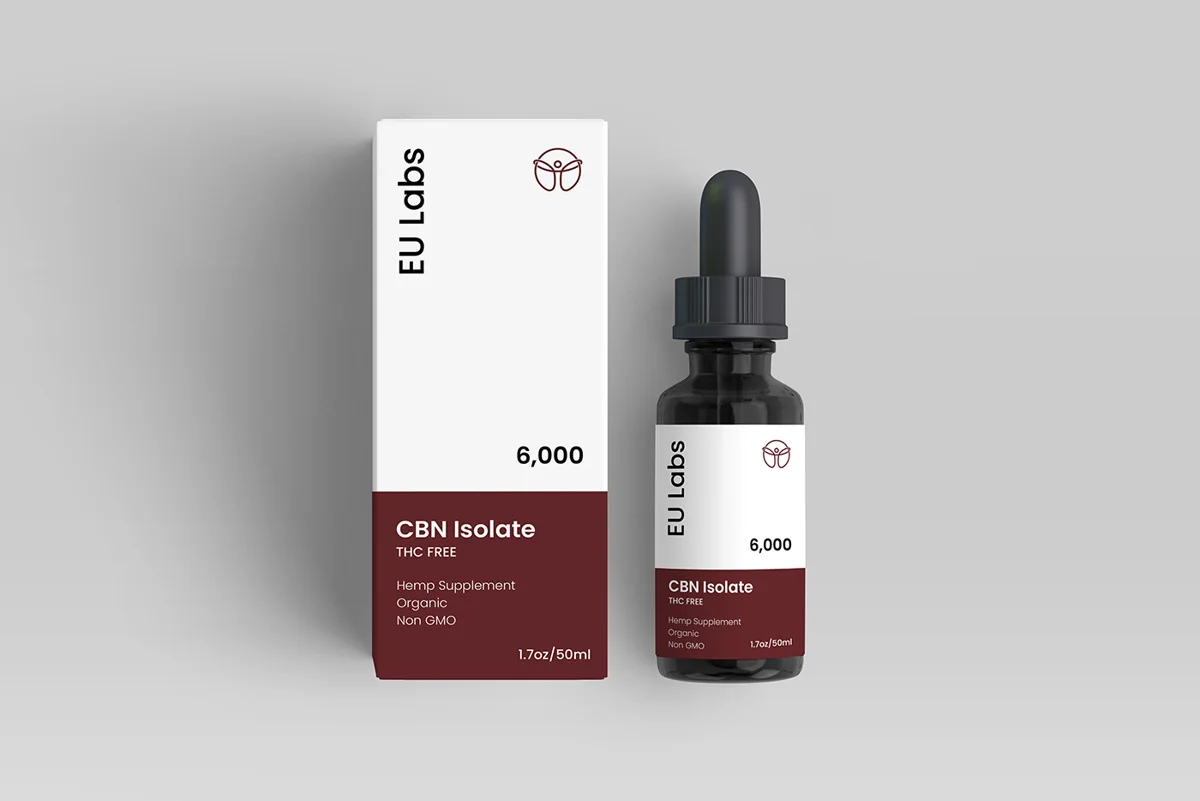
CBN Oil 6000mg – Cannabinol
Cannabinol — the cannabinoid that forms as raw hemp ages. 6000mg of CBN isolate in 50ml of MCT oil (120mg per ml). A common choice for evening routines among people already familiar with CBD.
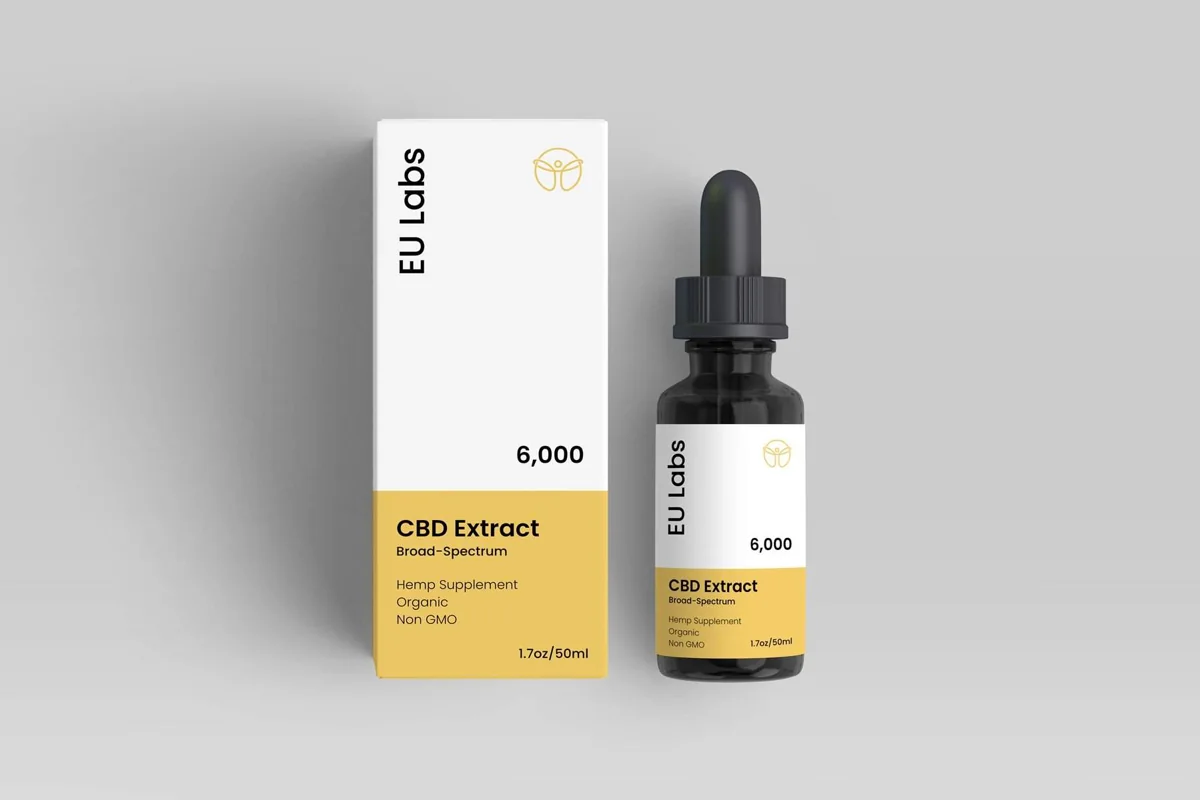
CBD Oil 6000mg – Broad Spectrum
Broad-spectrum CBD — all the supporting cannabinoids and terpenes from the hemp plant, with THC removed. 6000mg in a 50ml MCT bottle (120mg per ml).
How Australian Regulation Classifies CBD Oil
The regulatory body governing therapeutic goods in Australia is the Therapeutic Goods Administration (TGA). The TGA classifies cannabinoids under the Poisons Standard (the Standard for the Uniform Scheduling of Medicines and Poisons, or SUSMP).
For cannabidiol, the Poisons Standard currently defines two main access pathways:
Schedule 3 (S3 — Pharmacist Only Medicine): Low-dose CBD products meeting specific criteria — no more than 150mg of CBD per pack, THC not exceeding 1% of total cannabinoids, and registration on the Australian Register of Therapeutic Goods (ARTG) — can be classified as S3. A pharmacist can supply an S3 product without a doctor's prescription, but a pharmacist consultation is required. As at 2025, very few products are registered under this pathway.
Schedule 4 (S4 — Prescription Only Medicine): Higher-dose CBD products and those with meaningful THC content are S4, requiring a doctor's prescription via the TGA's Authorised Prescriber scheme or the Special Access Scheme (SAS-B).
FraLa CBD sells hemp-derived CBD oil as a consumer product. Our products are not registered therapeutic goods and are not S3 or S4 medicines. If you want a formally registered therapeutic medicine, the pharmacy or prescribing pathway is the correct route. For the full legal framework, see the CBD oil laws in Australia guide.
All FraLa CBD products ship tracked across Australia from Byron Bay, NSW — including to Northern Rivers communities: Ballina, Lennox Head, Mullumbimby, and Lismore.
Common Questions About CBD Oil
Is CBD oil the same as hemp seed oil? No. Hemp seed oil is pressed from hemp seeds and is a food product rich in fatty acids. It contains little to no cannabidiol. CBD oil is made from a hemp extract drawn from the plant's flowers and leaves. Same species; different parts; different composition.
Does CBD oil contain THC? It depends on the type. Full-spectrum CBD oil retains trace THC under 0.3%, confirmed by the batch COA. Broad-spectrum CBD oil has THC removed to 0%, also confirmed by COA. Neither type is formulated to be intoxicating.
Do I need a prescription to buy CBD oil in Australia? For a registered Schedule 3 product from a pharmacy: no prescription, but pharmacist consultation is required. For Schedule 4 products: a doctor's prescription is required. Hemp-derived CBD oils sold as consumer products online sit under a different framework. The Australian legal guide covers this in detail.
What should I look for on a CBD oil label? Check the total CBD in milligrams, the spectrum type, the carrier oil, and the lot number — which you need to request the matching batch COA. The Certificate of Analysis guide explains each step of verifying the label against the test results.
Ordering from Byron Bay
FraLa CBD ships tracked orders to Byron Bay and across NSW — including Ballina, Lennox Head, Mullumbimby, Lismore. Orders are dispatched domestically, so there is no international customs step and no import paperwork for you to complete. Every bottle carries a batch number, and the matching Certificate of Analysis is available on request.
Comparing any two CBD oils
| Check | Why it matters |
|---|---|
| mg per millilitre | The only fair way to compare price between bottle sizes |
| Spectrum | Full, broad and isolate are different products |
| THC figure on the COA | A measured result, not a marketing claim |
| Batch-specific testing | A COA must match your lot number |
| Where it ships from | Domestic dispatch avoids the customs step |