Australian workplace drug tests screen for THC-COOH — a metabolite of THC, not for CBD (cannabidiol) itself. That distinction matters when you're wondering how long does CBD stay in your system for testing purposes. The real question is what type of CBD oil you use: full-spectrum CBD oil contains trace THC under 0.3%, and daily use at higher volumes could lead to THC metabolites accumulating above the standard screening cutoff in some individuals. Broad-spectrum CBD oil contains 0% THC per its Certificate of Analysis, so that particular accumulation risk does not apply. This article explains how Australian tests work, what the composition difference means, and how your COA gives you the actual THC figure for your specific bottle. This is factual information only — not personal advice and not a guarantee about any test outcome.
How Workplace Drug Tests Work in Australia
What the test actually screens for
Standard Australian workplace urine drug tests follow AS/NZS 4308:2023 — the updated standard for urine collection, handling and analysis that came into effect in 2025. The initial test is an immunoassay screen: the sample is exposed to antibodies that react with specific target compounds. For the cannabis class, the target compound is THC-COOH (11-nor-9-carboxy-THC), the primary urinary metabolite produced when the body processes Delta-9 THC.
The immunoassay screening cutoff for THC-COOH in Australian workplace testing is 50 ng/mL (nanograms per millilitre). A result below that level is a negative screen. A non-negative screen is typically confirmed by gas chromatography–mass spectrometry (GC-MS), a more precise technique that identifies compounds by their molecular signature.
Importantly, there is no immunoassay in standard Australian workplace drug testing that targets cannabidiol. The antibodies used for the cannabis screen do not react with CBD. This is why the question of how long CBD stays in your system is not the right frame for drug test risk — the test is not looking for cannabidiol at all.
The Therapeutic Goods Administration (TGA) regulates the scheduling of cannabinoids in Australia, including the framework under which CBD oil and related products are sold. The TGA website is the authoritative source for current scheduling information.
What “How Long Does CBD Stay in Your System” Actually Means
CBD vs THC — different compounds, different metabolites
When people ask how long does CBD stay in your system, they are usually asking one of two different questions:
- How long does cannabidiol itself remain detectable in the body?
- Could using CBD oil lead to a positive workplace drug test?
These are separate questions with separate answers. Cannabidiol is not the target of standard workplace drug testing, so the first question is largely irrelevant to your employment situation. The second question depends on whether your CBD oil contains any THC — and if so, how the body processes and stores it.
Delta-9 THC is fat-soluble. When it enters the body, it is metabolised into THC-COOH, which is stored in fatty tissue and released gradually over time. This is why the detection window for THC-COOH in urine is not a fixed number of days. Body composition, metabolic rate, volume and frequency of use all influence how long the compound remains detectable above the 50 ng/mL cutoff. No reliable formula exists, and we are not in a position to state specific windows.
For a clear explanation of the chemical distinction between THC and CBD as compounds — their molecular structures, how each is processed by the body, and how the cannabis plant produces both — see our article on the difference between THC and CBD.
The Real Variable: Full-Spectrum vs Broad-Spectrum
Full-spectrum and trace THC
Full-spectrum CBD oil is a whole-plant extract from hemp (Cannabis sativa L.). It captures the full cannabinoid profile of the plant, including cannabidiol (CBD) as the primary compound, minor cannabinoids like CBG and CBN, terpenes, and a trace of Delta-9 THC confirmed by the batch COA to be under 0.3%.
At 0.3% THC, a single serving of full-spectrum CBD oil contains a very small quantity of THC in absolute terms. For occasional, low-volume use, this trace is unlikely to result in any meaningful accumulation of THC-COOH. However, regular, daily use at higher serving sizes could — in some individuals — lead to THC-COOH building up in fatty tissue to a level that tests detectable above the 50 ng/mL cutoff. This is not certain; it depends on the individual. But it is a real compositional risk we are not in a position to rule out, and we will not claim otherwise.
If you are subject to workplace drug testing in Byron Bay, NSW — or anywhere across Australia in industries such as construction, agriculture, transport or mining where testing programs are common — the composition of the oil matters.
Broad-spectrum and 0% THC
Broad-spectrum CBD oil goes through an additional processing step after extraction that removes Delta-9 THC, bringing its concentration to 0% THC — confirmed as “not detected” on the batch Certificate of Analysis. The rest of the hemp profile is retained: CBD, minor cannabinoids, and terpenes remain.
Because broad-spectrum CBD oil contains no THC, there is no Delta-9 THC to metabolise into THC-COOH. The specific accumulation risk that applies to full-spectrum products does not apply here. No CBD oil carries an absolute guarantee about any test outcome — there are other variables outside our control — but if drug testing is a genuine consideration, broad-spectrum is the composition that removes the THC variable.
For a detailed comparison of the two formulations — including how the THC-removal step is done and what each type's COA should show — read our full-spectrum vs broad-spectrum guide.
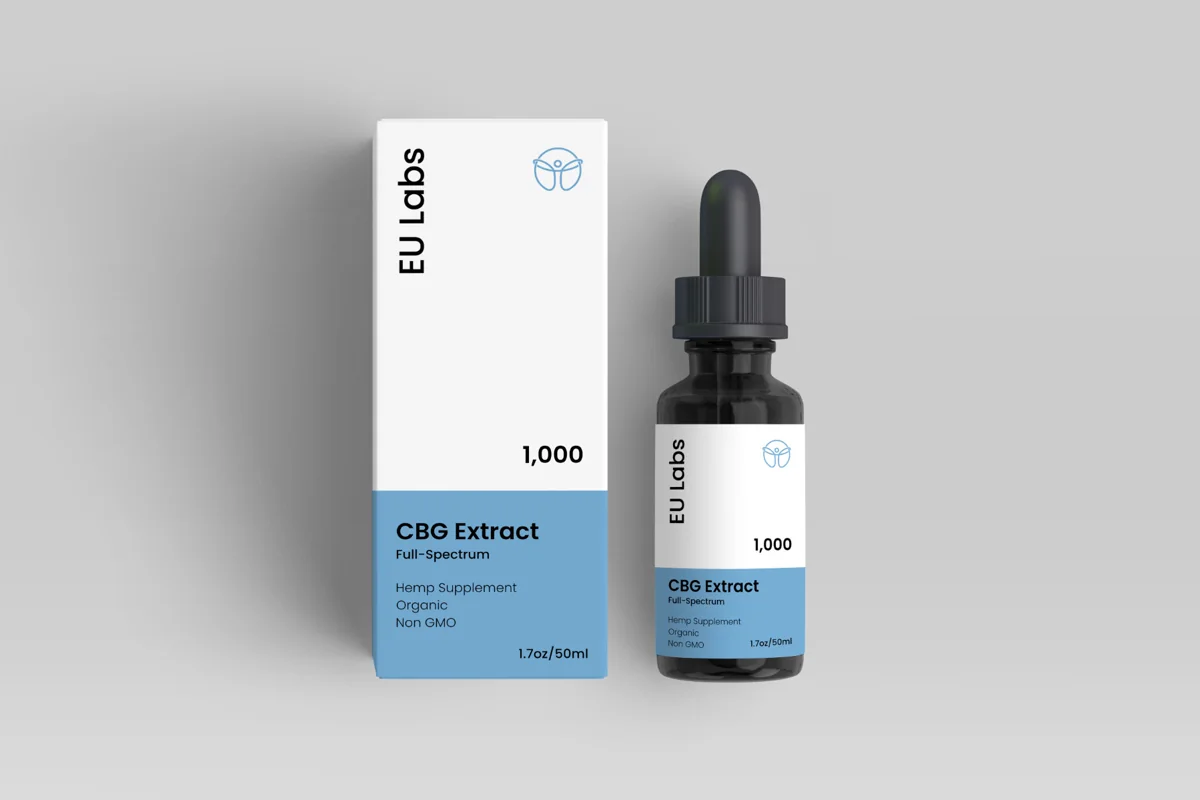
Both full-spectrum and broad-spectrum CBD oil are available in the FraLa CBD range, along with CBG oil, CBN oil, and pet CBD oil. Browse the full range on the shop page.
How to Check the THC Level in Your Specific Bottle
Reading the COA for THC
The Certificate of Analysis (COA) is the batch-specific laboratory report that records what was found in a particular production run. It is the document that turns a label claim into a verified figure.
For full-spectrum CBD oil, the Delta-9 THC line on the COA should read below 0.3%. For broad-spectrum CBD oil, it should read 0.00% or ND (not detected). These figures are specific to the batch identified by the lot number printed on your bottle — a COA from a different batch does not apply to your product.
Every batch of FraLa CBD oil sourced from EU Labs is tested by an independent third-party laboratory. To request the COA for your specific bottle, email enquiries@franklauda.com with the lot number from the base or side of the packaging.
If you are new to reading lab reports, the guide to reading a Certificate of Analysis explains every section of a typical COA — including how to find the THC line, what ND means, and how to cross-check the cannabinoid figures against the label strength.
From our CBD oil range
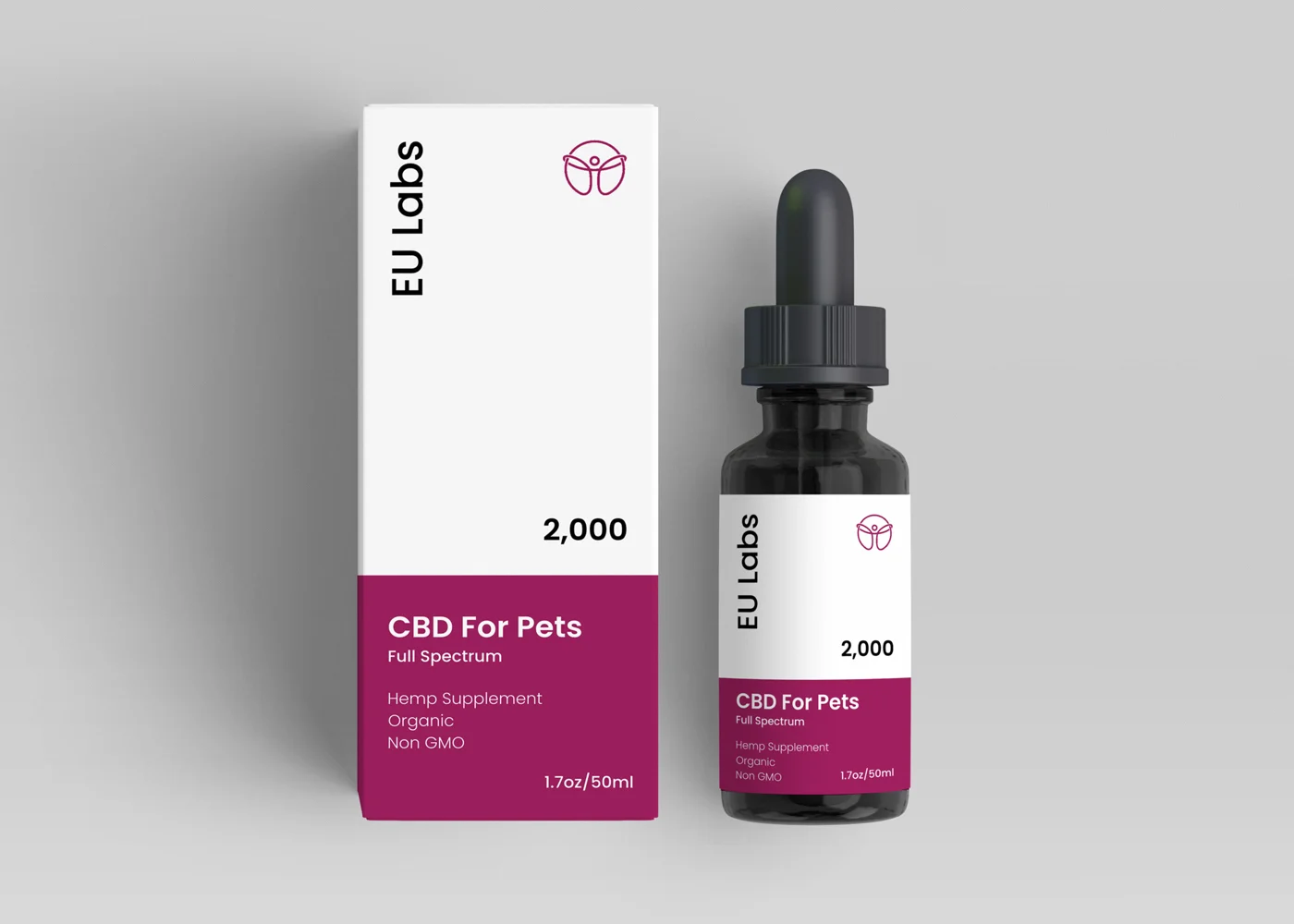
Pet CBD Oil 2000mg – Full Spectrum
Pet-formulated CBD oil — same hemp source as our human range, neutral MCT carrier, no human-targeted flavours or sweeteners. 2000mg in 50ml of MCT oil (40mg per ml). Best introduced under guidance from your vet.
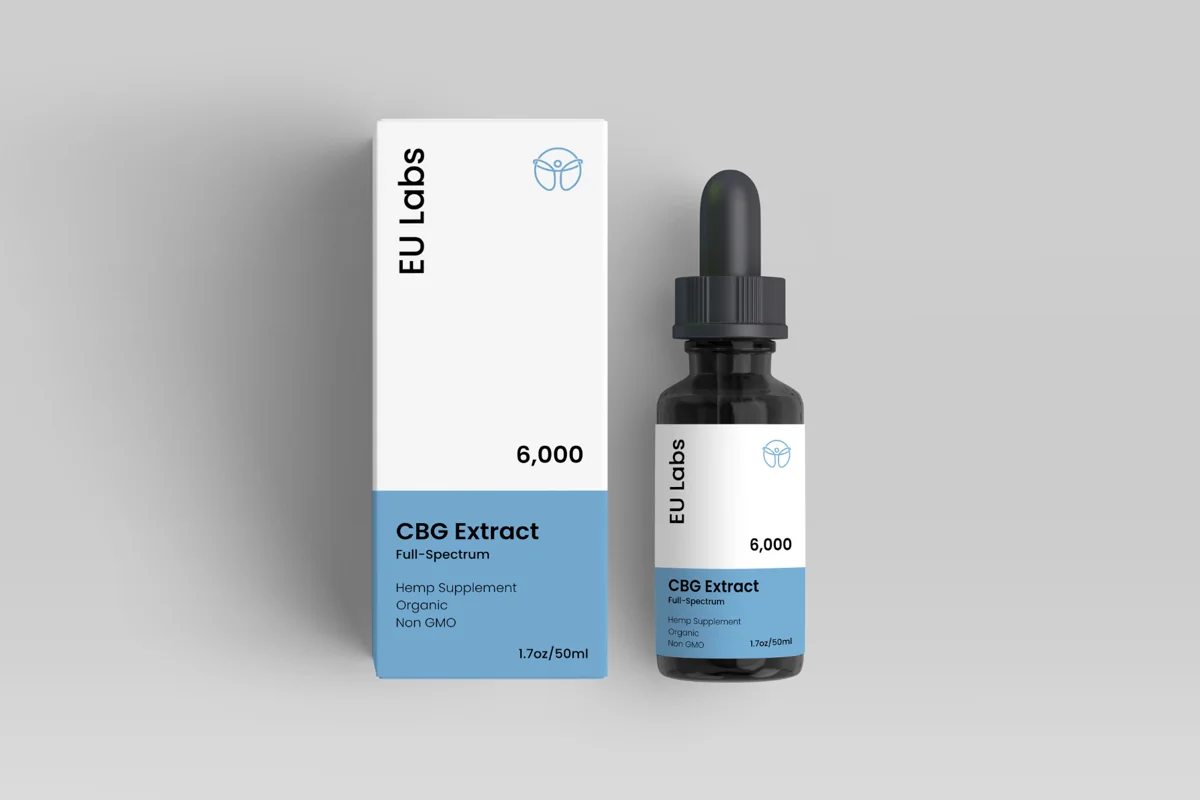
CBG Oil 6000mg – Cannabigerol
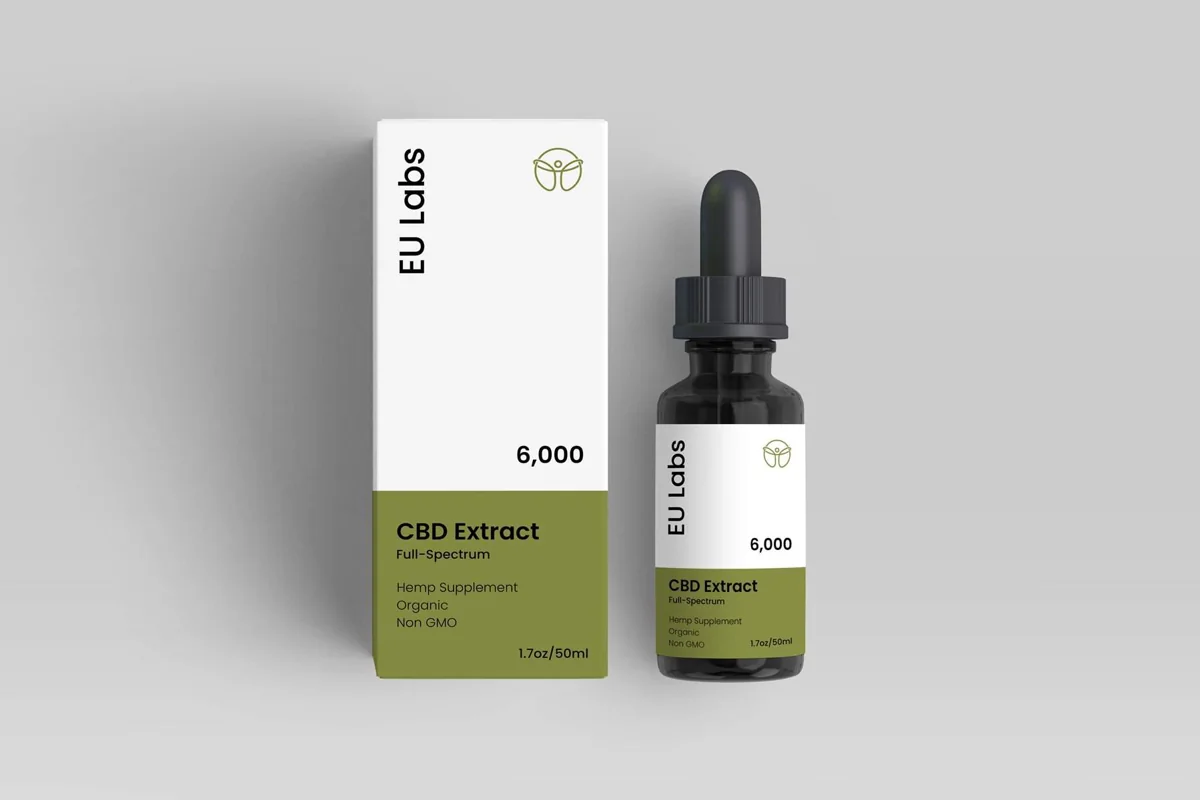
Cannabigerol — the cannabinoid the hemp plant uses to make the others as it grows. Less abundant than CBD, which is why CBG oils sit at a different price point. 6000mg in 50ml of MCT carrier (120mg per ml).
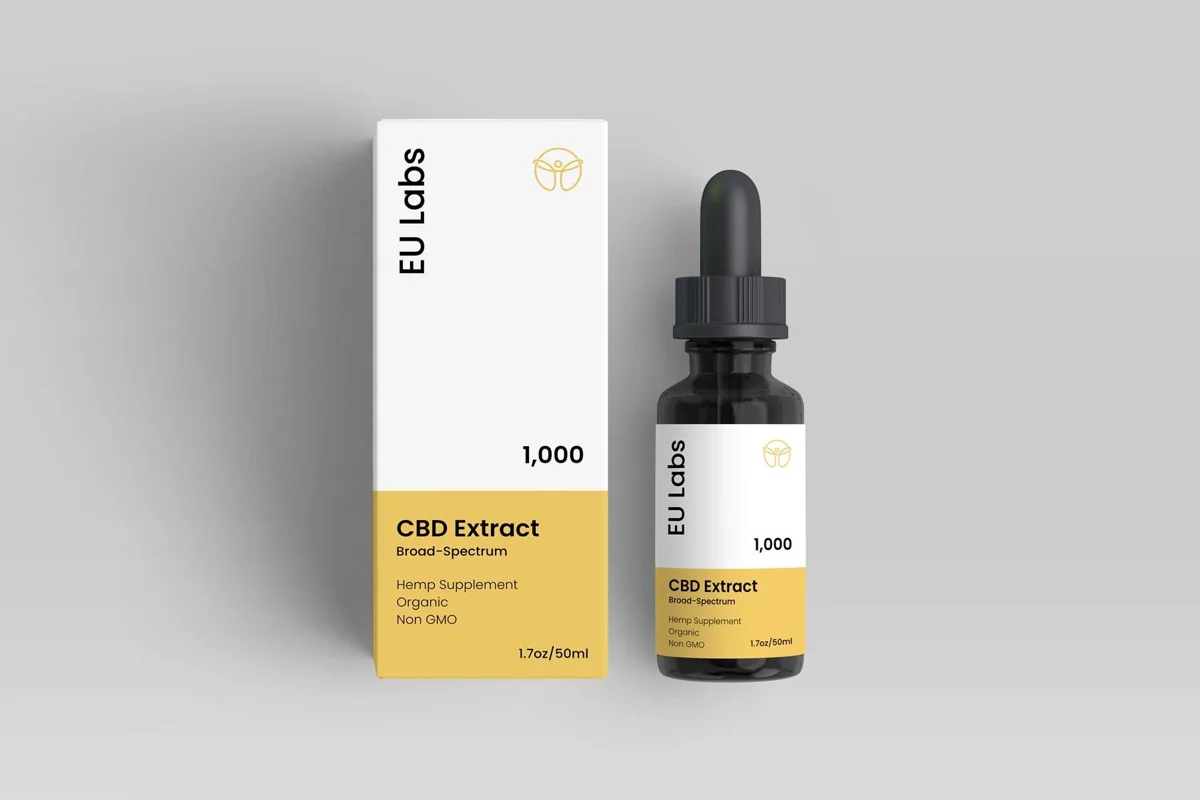
CBD Oil 1000mg – Broad Spectrum
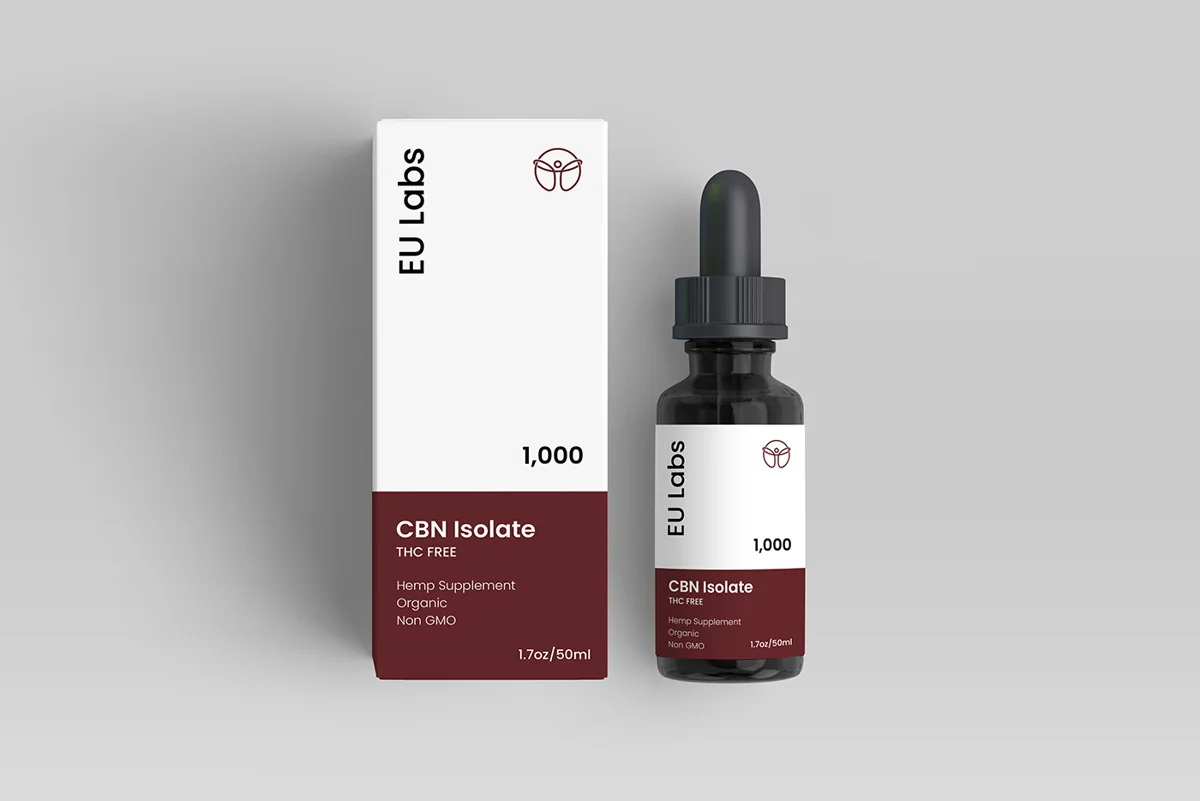
Broad-spectrum CBD — all the supporting cannabinoids and terpenes from the hemp plant, with THC removed. 1000mg in a 50ml MCT bottle (20mg per ml).
What Australian Drug Testing Standards Say
AS/NZS 4308:2023 is the current Australian and New Zealand standard governing workplace urine drug testing — covering sample collection, chain of custody, immunoassay screening, and GC-MS confirmation. It sets the framework used by accredited collection agents and laboratories across Australia.
In regional NSW — including the area around Byron Bay — workplace drug and alcohol testing is standard practice in construction, civil works, agriculture, transport, and a range of other industries. Many employers in these sectors maintain zero-tolerance drug policies and conduct both pre-employment and random on-site testing.
The standard specifies that the immunoassay screen targets specific compound classes. For cannabis, the target is THC-COOH. The standard does not specify CBD as a target compound because it is not a drug of concern for standard occupational health and safety testing.
This article does not constitute legal or employment advice. If you have specific concerns about your workplace testing policy, speak with your employer's occupational health team or a workplace health professional. For ordering across Australia, including CBD oil in Perth, the shop page covers all states and territories.
Common questions about CBD oil in Australia
Does CBD oil show up on a drug test in Australia?
CBD (cannabidiol) itself is not screened for in standard Australian workplace urine drug tests. The cannabis screen uses an immunoassay targeting THC-COOH, not cannabidiol. However, full-spectrum CBD oil contains trace THC under 0.3%, which metabolises into THC-COOH — the compound the test does detect. Broad-spectrum CBD oil contains 0% THC and does not introduce THC into the body. This is factual composition information; it is not a test-outcome guarantee.
Can full-spectrum CBD oil cause a positive drug test result?
It is possible in some circumstances, particularly with regular daily use at higher volumes. Full-spectrum CBD oil contains trace Delta-9 THC under 0.3% per the batch COA. That THC is metabolised into THC-COOH, which is what the standard 50 ng/mL cutoff screens for. Whether any individual accumulates enough THC-COOH to trigger a non-negative screen depends on body composition, metabolism, serving size, and frequency. We cannot predict individual outcomes.
Is broad-spectrum CBD oil the lower-risk choice if I'm subject to drug testing?
From a composition standpoint, yes. Broad-spectrum CBD oil is manufactured to 0% THC — confirmed on the batch COA as not detected. Because it contains no THC, it does not introduce the compound whose metabolite the cannabis screen targets. Other variables in testing exist beyond the oil's composition, so no absolute guarantee is possible. For the full composition comparison, see our spectrum guide.
How do I find out the THC level in my FraLa CBD CBD oil?
Email enquiries@franklauda.com with the lot number from your bottle. We will send the batch-specific Certificate of Analysis, which includes the Delta-9 THC line for that production run. The COA reading guide explains how to interpret the result. All FraLa CBD products are sourced from EU Labs and tested batch by batch by an independent laboratory.
Ordering from Byron Bay
FraLa CBD ships tracked orders to Byron Bay and across NSW — including Ballina, Lennox Head, Mullumbimby, Lismore. Orders are dispatched domestically, so there is no international customs step and no import paperwork for you to complete. Every bottle carries a batch number, and the matching Certificate of Analysis is available on request.
What a batch COA should show
| Line on the COA | What it tells you |
|---|---|
| Batch / lot number | That the document matches your bottle |
| Cannabinoid profile | Actual mg of CBD, CBG, CBN present |
| THC result | The measured figure, not a claim |
| Test date | How recent the analysis is |
| Issuing laboratory | Whether testing was third-party |
A COA for a different batch tells you nothing about the bottle in your hand.